The Crusades
Jérusalem

The 12th/13th century Crusader Tower in the village of Burj el-Shimali ("Northern Tower") overlooking the city of Tyre/Sour in Southern Lebanon

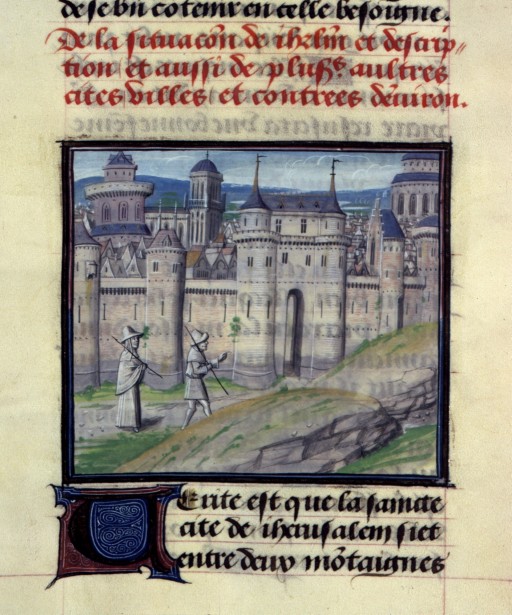
Cette miniature illustre l'un des combats de la deuxième croisade de Louis VII (la bataille de Damas en 1148), venu à l'aide du roi de Jérusalem Baudoin III contre les Sarrasins, au milieu du XIIe siècle. - Guillaume de Tyr, Histoire d'Outremer, XIVe siècle, Paris, BnF, département des Manuscrits, Français 22495 fol. 154v.
f

Český Krumlov 契斯基庫倫隆 Czechia 捷克

Alba Iulia National Museum of the Union 2011

Coin of Amaury (1163-1174): Amaury and his successors used the Holy Sepulchre on the obverse image for their deniers as a way of strengthening their relationship with the church where they were both coronated and buried. This helped to reinforce the legitimacy of the dynasty's claims to the Kingdom of Jerusalem.

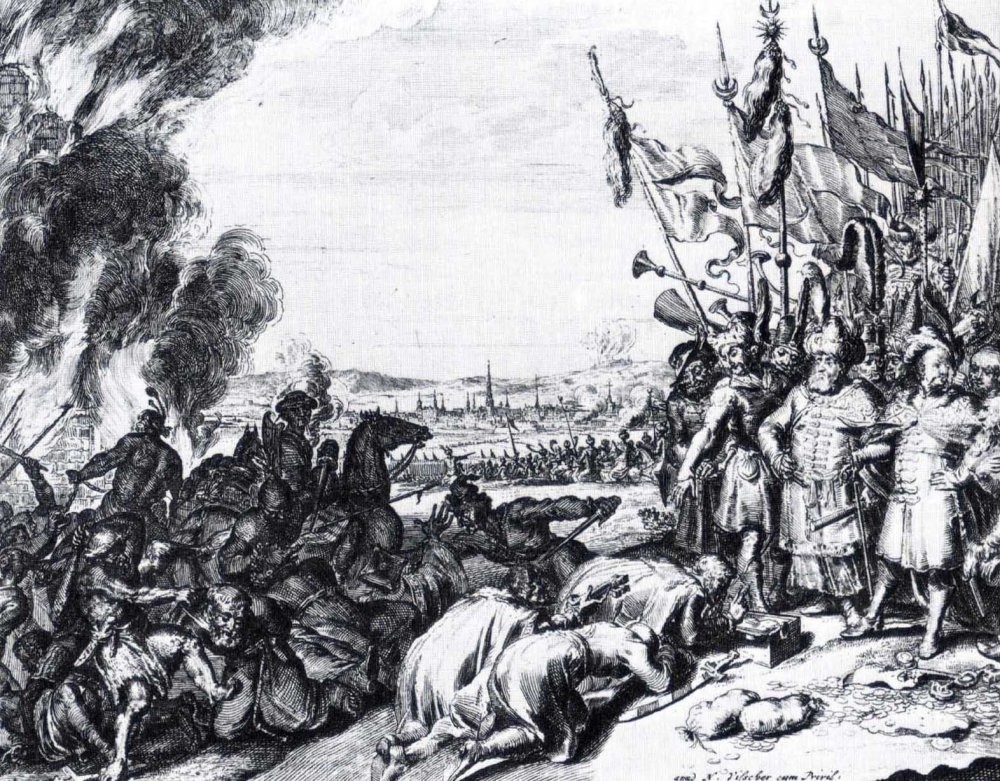
Andrew II of Hungary in Holy Land

Arms of the King of Cyprus and Order of the Sword on Coronaro Piscopia Palace, Venice
![* Title from H. Béraldi, Les graveurs du XIXe siècle, v. 3, supplément.
Prints not included in Béraldi's original catalogue, published in 1885. Includes prints produced between 1885 and 1889.
Holdings checked in H. Béraldi, Les graveurs du XIXe siècle, v. 3, supplément.
Citation/Reference: B792([I/II])](https://upload.wikimedia.org/wikipedia/commons/9/98/Entr%C3%A9e_des_crois%C3%A9s_%C3%A0_Constantinople%2C_d%27apr%C3%A8s_Delacroix_%28NYPL_b14830732-1150540%29.jpg)
* Title from H. Béraldi, Les graveurs du XIXe siècle, v. 3, supplément. Prints not included in Béraldi's original catalogue, published in 1885. Includes prints produced between 1885 and 1889. Holdings checked in H. Béraldi, Les graveurs du XIXe siècle, v. 3, supplément. Citation/Reference: B792([I/II])
* Title from H. Béraldi, Les graveurs du XIXe siècle, v. 3, supplément. Prints not included in Béraldi's original catalogue, published in 1885. Includes prints produced between 1885 and 1889. Holdings checked in H. Béraldi, Les graveurs du XIXe siècle, v. 3, supplément. Citation/Reference: B792([I/II])
![* Title from H. Béraldi, Les graveurs du XIXe siècle, v. 3, supplément.
Prints not included in Béraldi's original catalogue, published in 1885. Includes prints produced between 1885 and 1889.
Holdings checked in H. Béraldi, Les graveurs du XIXe siècle, v. 3, supplément.
Citation/Reference: B792([II/II])](https://upload.wikimedia.org/wikipedia/commons/f/f6/Entr%C3%A9e_des_crois%C3%A9s_%C3%A0_Constantinople%2C_d%27apr%C3%A8s_Delacroix_%28NYPL_b14830732-1150541%29.jpg)
* Title from H. Béraldi, Les graveurs du XIXe siècle, v. 3, supplément. Prints not included in Béraldi's original catalogue, published in 1885. Includes prints produced between 1885 and 1889. Holdings checked in H. Béraldi, Les graveurs du XIXe siècle, v. 3, supplément. Citation/Reference: B792([II/II])
* Title from H. Béraldi, Les graveurs du XIXe siècle, v. 3, supplément. Prints not included in Béraldi's original catalogue, published in 1885. Includes prints produced between 1885 and 1889. Holdings checked in H. Béraldi, Les graveurs du XIXe siècle, v. 3, supplément. Citation/Reference: B792([II/II])

A glance into the 12th/13th century Crusader Tower in the village of Burj el-Shimali ("Northern Tower") overlooking the city of Tyre/Sour in Southern Lebanon
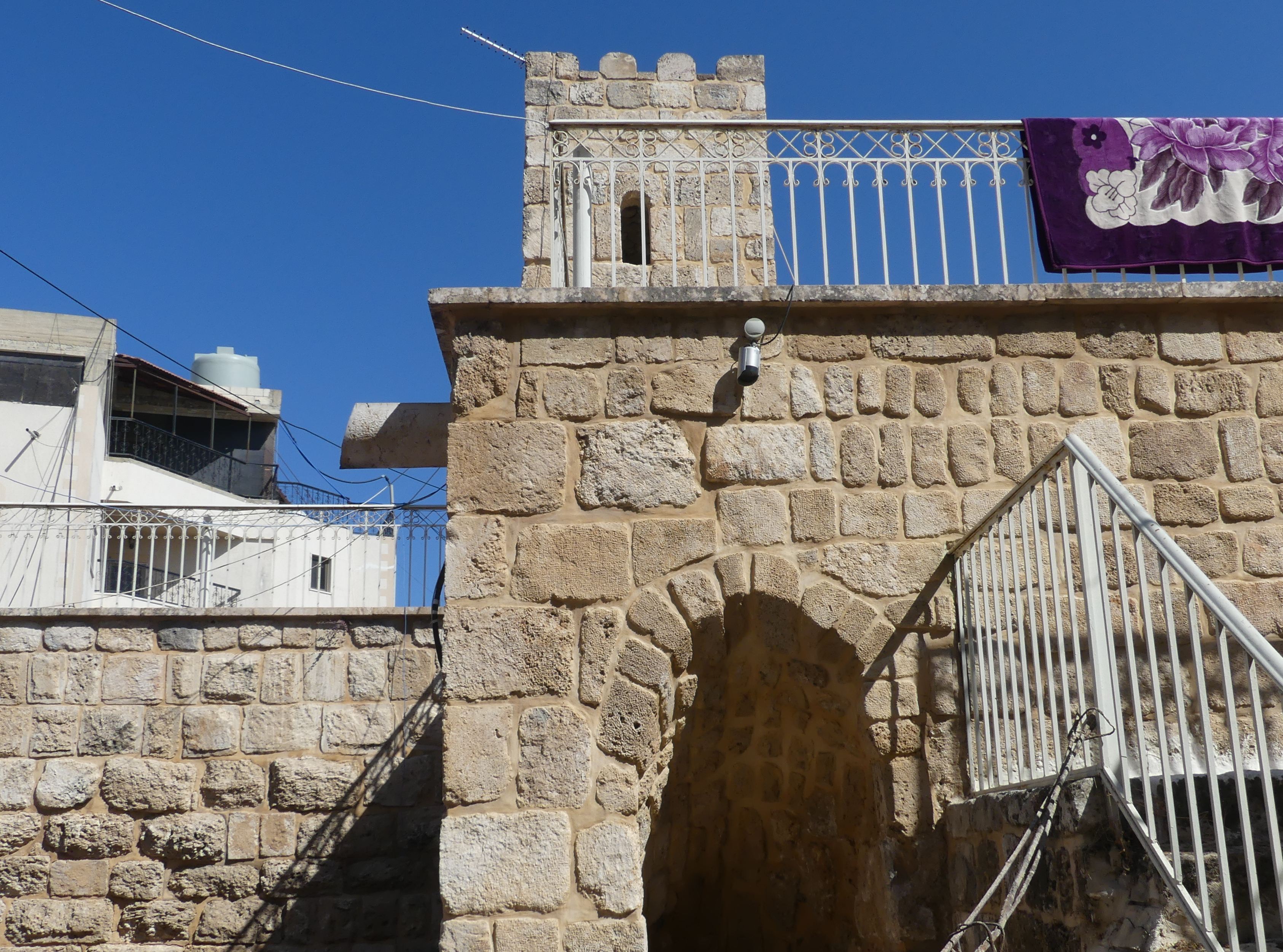
The 12th/13th century Crusader Tower in the village of Burj el-Shimali ("Northern Tower") overlooking the city of Tyre/Sour in Southern Lebanon

Looking up into the 12th/13th century Crusader Tower in the village of Burj el-Shimali ("Northern Tower") overlooking the city of Tyre/Sour in Southern Lebanon

esta imagen es de mi trabajo de biologia por si les interesab

Church of the Holy Sepulchre, Old City East Jerusalem, Palestine כנסיית הקבר ירושלים
Includes publisher's advertisements Filmed from a copy of the original publication held by the National Library of Canada 43 Subjects: Crusades; Croisades

Akkon

Coin of Amaury (1163-1174): Amaury and his successors used the Holy Sepulchre on the obverse image for their deniers as a way of strengthening their relationship with the church where they were both coronated and buried. This helped to reinforce the legitimacy of the dynasty's claims to the Kingdom of Jerusalem.

Map of the Lithuanian Crusade 1308-1455.

Plaque in Orléans about the Shepherds' Crusade in 1251

Combat entre un soldat croisé et un soldat musulman, vers 1250.

Crusader cross Flanders (third crusade, 1188)

Crusader Graffiti in the Church of the Holy Sepulchre
Historical Overview
The Crusades were a series of military campaigns launched by the papacy between 1095 and 1291 against Muslim rulers for the recovery and defence of the Holy Land, as part of a wider crusading movement. The First Crusade was proclaimed by Pope Urban II at the Council of Clermont in November 1095—a call to arms for Christians to reconquer Jerusalem from the Muslims, with promises of spiritual reward. By this time, the papacy's position as head of the Catholic Church had strengthened, and earlier conflicts with secular rulers and wars on the frontiers of Western Christendom had prepared it for the direction of armed force in religious causes. The successes of the First Crusade led to the establishment of four Crusader states in the Levant, where their defence required further expeditions from Catholic Europe. The organisation of such large-scale campaigns demanded complex religious, social, and economic institutions, including crusade indulgences, military orders, and the taxation of clerical income. Over time, the crusading movement expanded to include campaigns against pagans, Christian dissidents, and other enemies of the papacy, promoted with similar spiritual rewards and continuing into the 18th century.