Battle of Weihaiwei

金州城北門(1894年)
La Vérité sur le différend sino-japonais

Battle of Weihaiwei (land)

Night attack at Jiuliancheng

比志島混成支隊澎湖島へ上陸の爲め海戰の光景
A Photographic-Album of the Japan-China War

蘇家屯兵舎本部(1894年)

金州で捕獲された捕虜(1894年)。清兵は一般の服の上に軍服を着て、退避するときは軍服を脱ぎ、一般人とわからなくなる。

金州で捕獲された捕虜(1894年)。清兵は一般の服の上に軍服を着て、退避するときは軍服を脱ぎ、一般人とわからなくなる。
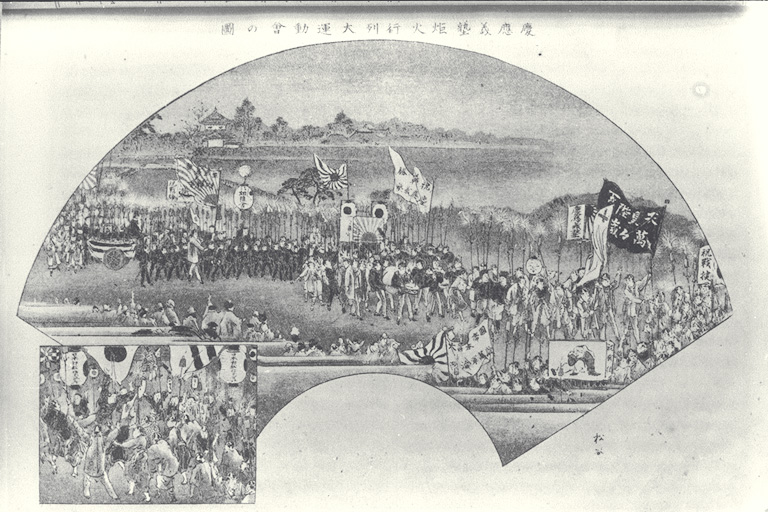
Victory parade for the w:Battle of Weihaiwei. Keio gijuku, Tokyo, 1895. An illustration published in a news magazine.

After the First Sino-Japanese War, Japanese government began to rule Taiwan, but many parts of Taiwan have not been developed, the sanitary conditions are not good, and the environment is quite harsh. But the civil resistance was quite fierce in the early days of Japanese rule, so there were a large number of wounded soldiers need to treatment. It happened that the Japanese government found Beitou’s geographical features were similar to Japan’s hot spring production areas ,so the hospital was set up here. A few years later, the Russo-Japanese War broke out and many wounded soldiers were also sent here for treatment This is one of the earliest cases of transplanting local buildings overseas in Japan.

Exhibition Ásia: a Terra, os Homens, os Deuses at the Museu Oscar Niemeyer, Curitiba, Brazil. Work by Migita Toshihide (1862–1925) depicting the First Sino-Japanese War.

HKCL zh:香港中央圖書館 CWB 舊圖片展覽 old photos exhibition black & white 中華民國 ROChina zh:五四運動 1919-05-04 May Fourth Movement the 100th year in April 2019

旅順港近くの黄金山砲台(1894年)

旅順港近くの黄金山砲台(1894年)
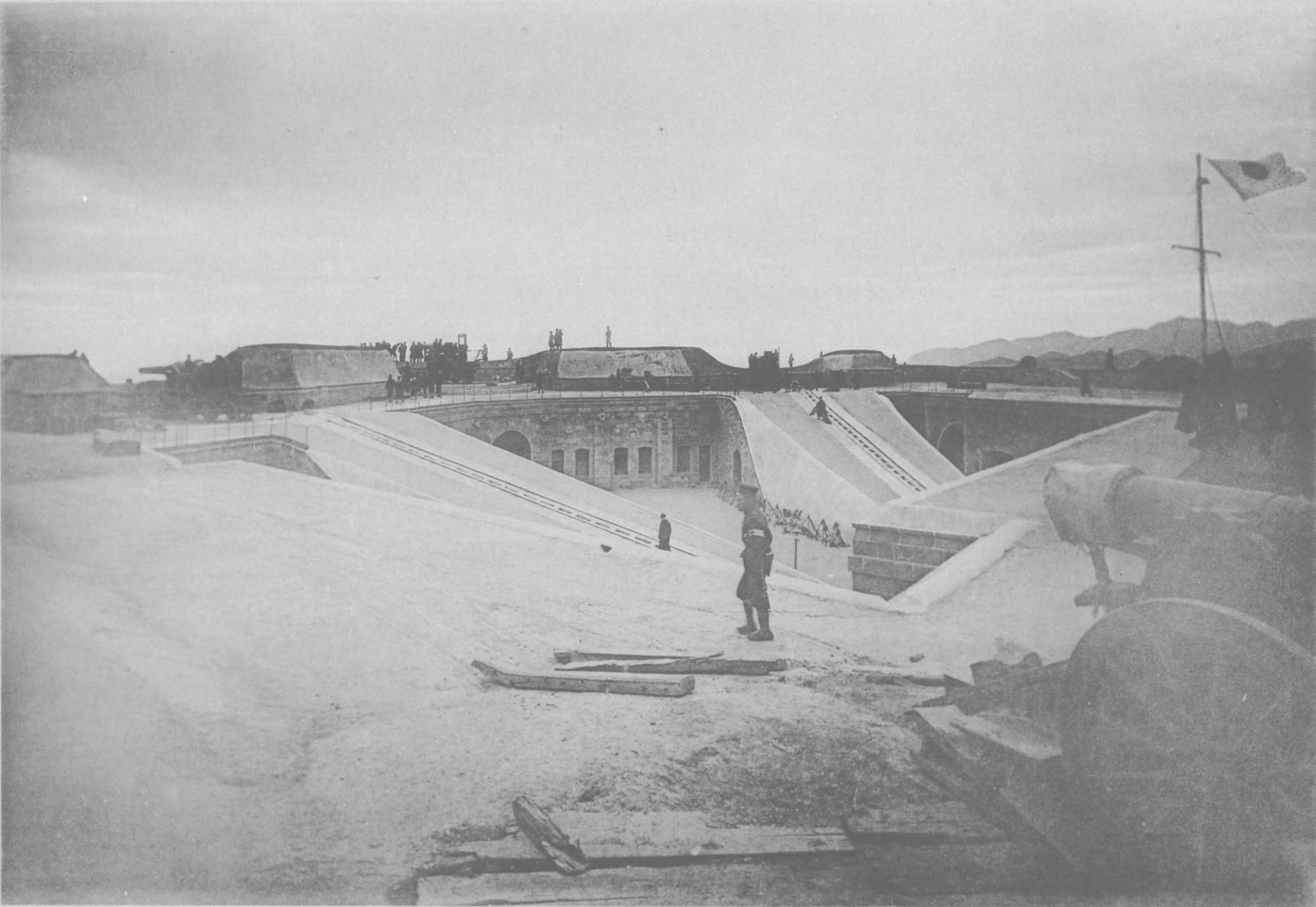
旅順港近くの黄金山砲台(1894年)

Members of the Imperial Japanese Navy Radio Telegraph Research Committee with one of the first radio telegraph apparatus in Japan.

明治27年勅令第174号戒厳宣告ノ件

榮城縣龍睡灣第一回ノ揚陸

Japanese_soldiers_of_the_Sino_Japanese_War_1895

和尚島中砲台の兵舎(1894年)
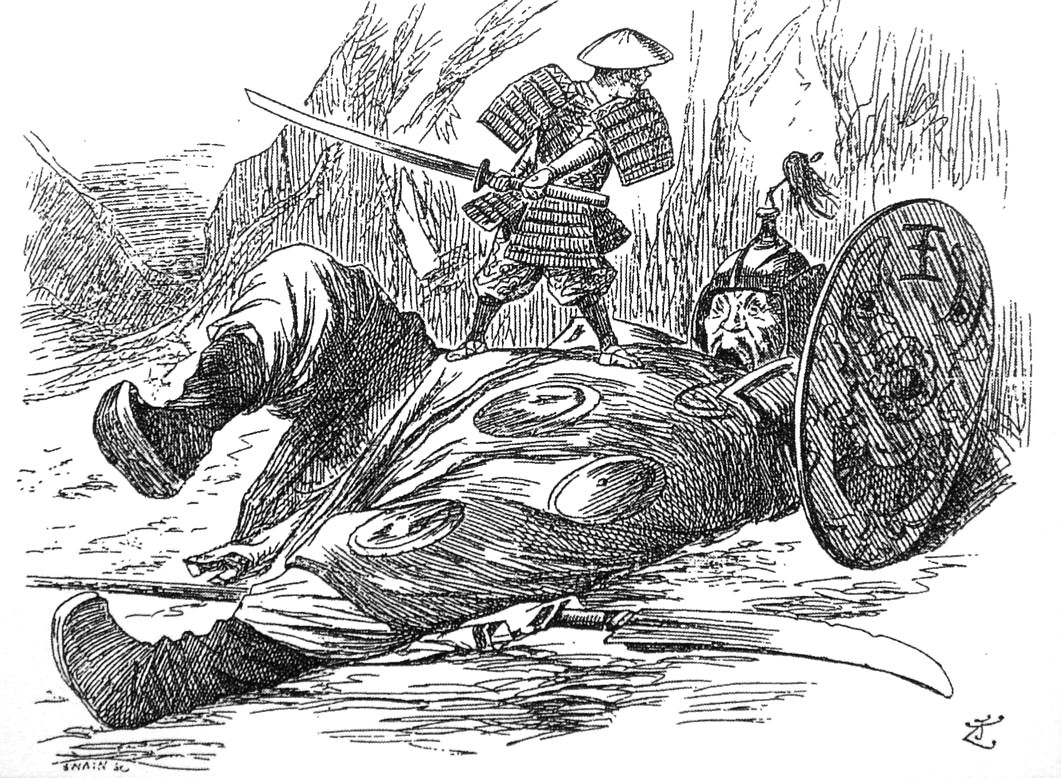
Japan's 1894 victory over China

Korean soldiers and Chinese captives in en:First Sino-Japanese War (1894-1895).

満洲方面の紅水城(1894年)

Japanese Mountain guns in the vicinity of Fongheatun during the First Sino-Japanese war

PH Coll 214.H57
Historical Overview
The Battle of Weihaiwei (Japanese: Ikaiei-no-tatakai took place between 20 January and 12 February 1895, during the First Sino-Japanese War in Weihai, Shandong Province, China, between the forces of Japan and Qing China. In early January 1895, the Japanese landed forces in eastern Shandong, positioning them behind the Chinese naval base at Weihaiwei.
Quick Facts
Japanese Forces
- Commander: Itō Sukeyuki
- Strength: ca. 25.000
- Casualties: ca. 1.000
Beiyang Fleet
- Commander: Ding Ruchang †
- Strength: ca. 9.000
- Casualties: ca. 5.000
Strategic Context
Final destruction of Chinese naval power.
Related Literature


Frühling der Revolution: Europa 1848/49 und der Kampf für eine neue Welt
Christopher Clark

Risorgimento! Italiens Kampf um die Einheit im 19. Jahrhundert
Historical Locations
Exact location not recorded in historical records