Battle of Vukovar
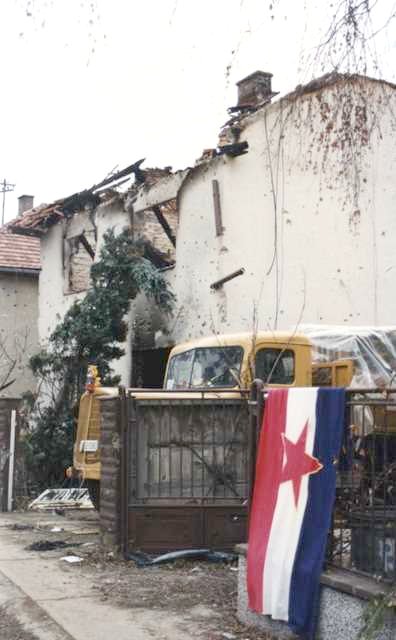
A forlorn Yugoslav flag in an utterly destroyed town. One of a set here
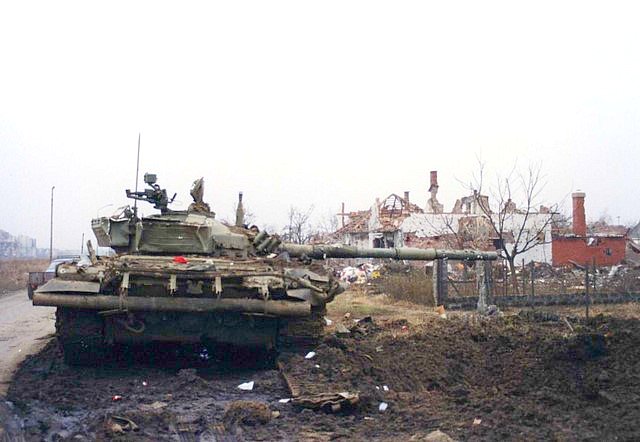
Destroyed Yugoslav National Army T-72 tank at Vukovar, 1991.

Destroyed buildings in Vukovar, November 1991. One of a set here.

Main street, Vukovar
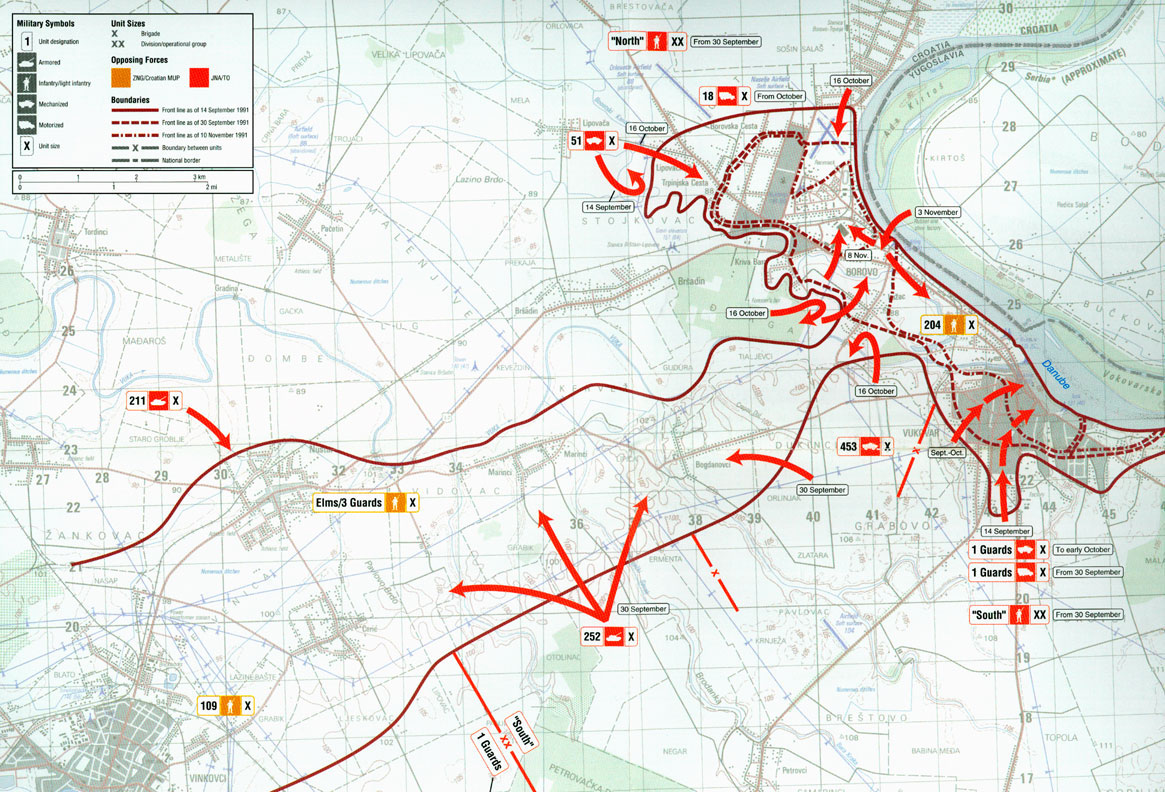
This image is available from the United States Library of Congress's Geography & Map Division under the digital ID g6841sm.gct00210.This tag does not indicate the copyright status of the attached work. A normal copyright tag is still required. See Commons:Licensing.

Heroes de Vukovar Goran es el de la Derecha

Main street in Vukovar, Croatia - damaged building; a remains of military clashes from 1991

destroyed house in vukovar, croatia

Destroyed house in Vukovar after the Croatian War of Independance (1991-1995).

Vukovar turm

This child, and much-hugged friend, was one of thousands waiting to be evacuated to safety by the UN. I took this photograph not far from Dubrovnik; it's one of a set here

Wholesale merciless destruction in a town without pity. One of a set here
Map of the Battle of Vukovar, September 1991 - November 1991

Chetnik flag used by Serb forces during the battle of Vukovar

This child, and much-hugged friend, was one of thousands waiting to be evacuated to safety by the UN. One of a set here.

A destroyed street in Vukovar, November 1991. One of a set here

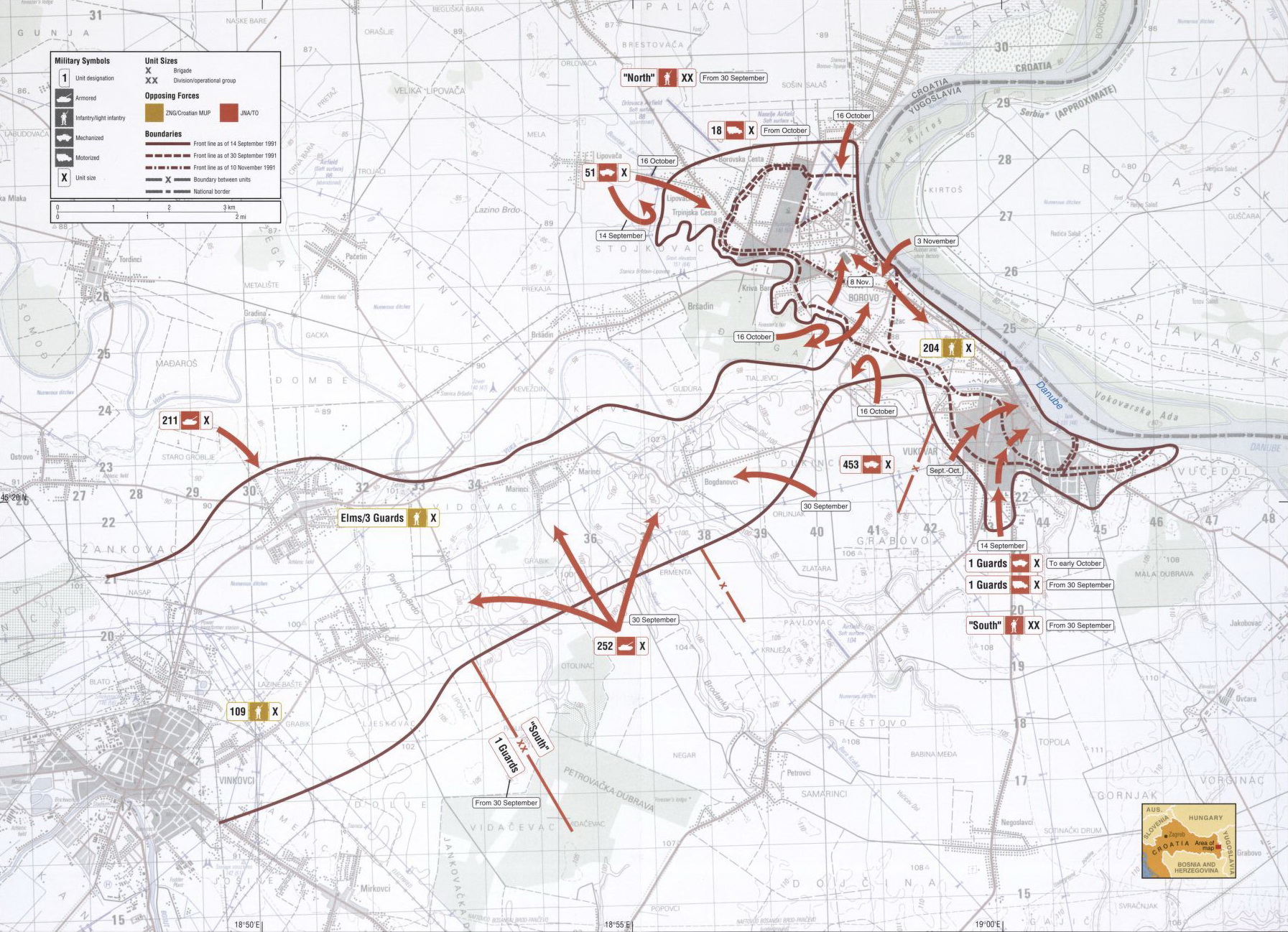
Map of military operations in eastern Slavonia, Croatia, September 1991 - January 1992

Jean-Michel Nicollier, French volunteer and Croatian soldier in the Croatian War of Independence who was executed by Serbian aggressors in the Vukovar massacre on 20-21 November 1991

M59 Helmets of the Yugoslav People's Army used during the Battle of Vukovar.
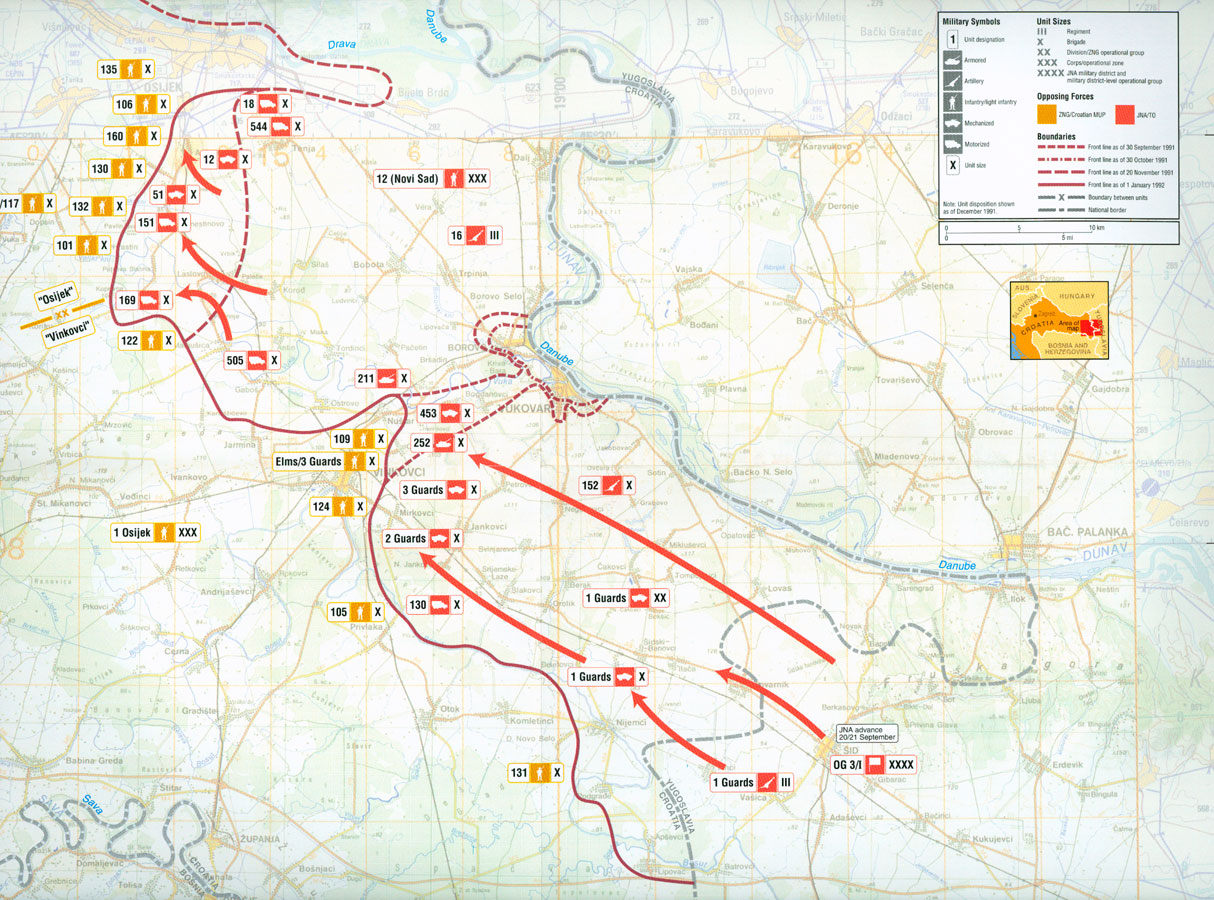
This image is available from the United States Library of Congress's Geography & Map Division under the digital ID g6841sm.gct00210.This tag does not indicate the copyright status of the attached work. A normal copyright tag is still required. See Commons:Licensing.
Historical Overview
The Battle of Vukovar was an 87-day siege of Vukovar in eastern Croatia by the Yugoslav People's Army (JNA), supported by various paramilitary forces from Serbia, between August and November 1991. Before the Croatian War of Independence the Baroque town was a prosperous, mixed community of Croats, Serbs and other ethnic groups. As Yugoslavia began to break up, Serbia's President Slobodan Milošević and Croatia's President Franjo Tuđman began pursuing nationalist politics. In 1990, an armed insurrection was started by Croatian Serb militias, supported by the Serbian government and paramilitary groups, who seized control of Serb-populated areas of Croatia. The JNA began to intervene in favour of the rebellion, and conflict broke out in the eastern Croatian region of Slavonia in May 1991. In August, the JNA launched a full-scale attack against Croatian-held territory in eastern Slavonia, including Vukovar.
Quick Facts
Serbs / JNA
- Commander: Mile Mrkšić
- Strength: 35000
- Casualties: 1100
Croatia
- Commander: Mile Dedaković
- Strength: 1800
- Casualties: 879
Strategic Context
Serbian offensive to capture East Slavonia.
Related Literature


Das Karfreitagsgefecht: Deutsche Soldaten im Feuer der Taliban | Was Soldaten der Bundeswehr in Afghanistan erlebt haben

Die Rückkehr des Krieges: Warum wir wieder lernen müssen, mit Krieg umzugehen

Leben und sterben lassen: Die letzten Tage der Bundeswehr in Afghanistan

Welt in Aufruhr: Die Ordnung der Mächte im 21. Jahrhundert
Historical Locations
Interactive map requires third-party cookie consent.