Battle of Verdun
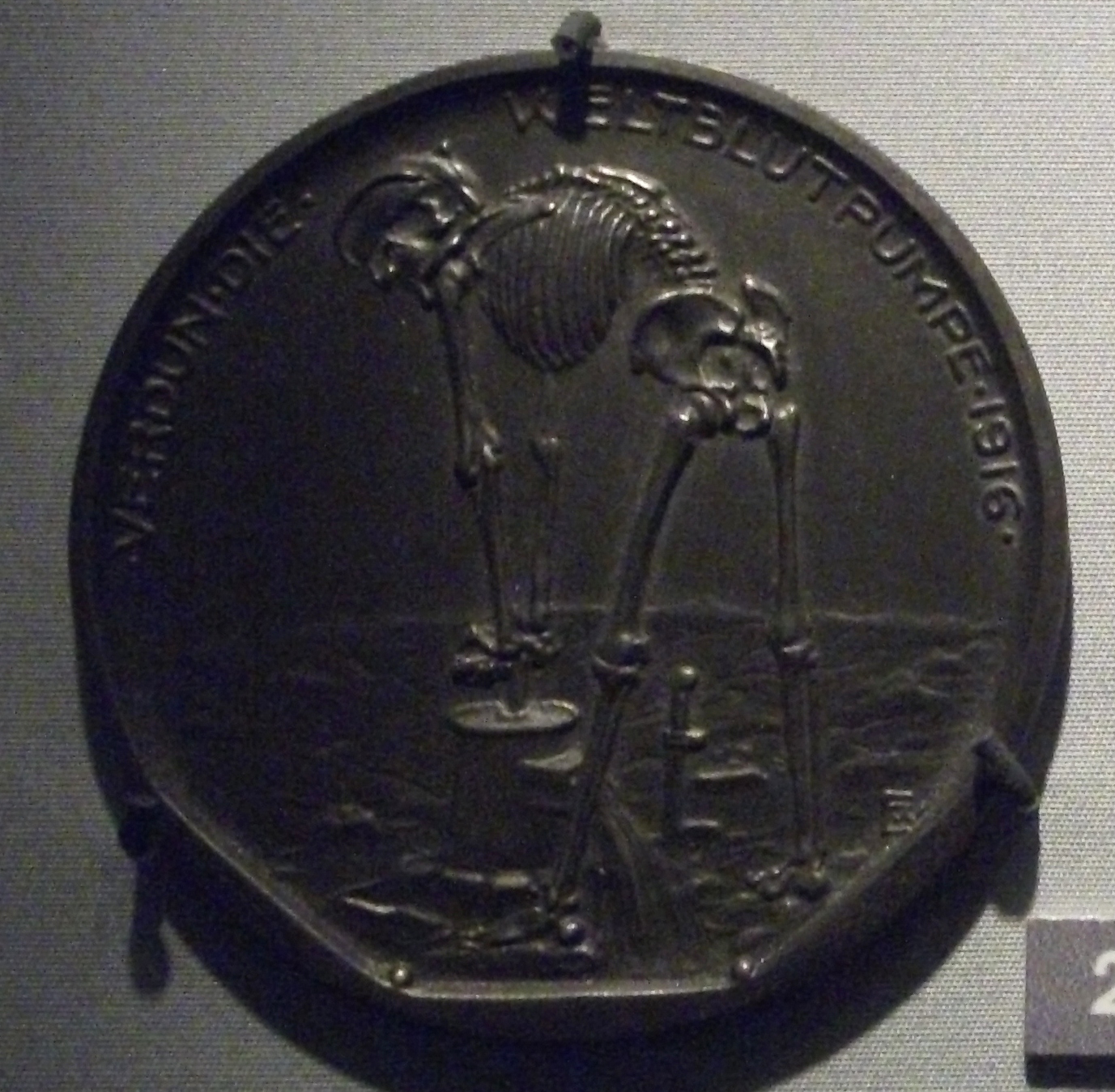
British Museum exhibition: "The other side of the medal: how Germany saw the First World War", 9 May – 23 November 2014

Verdun and Vincinity - Map

Sujet : Bataille de Verdun (1916) Guerre mondiale (1914-1918) -- Guerre de tranchées Verdun (Meuse, France ; région) France. Armée. Régiment d'infanterie (164) Référence bibliographique : Rol, 47413 Appartient à l’ensemble documentaire : Pho20Rol Image de presse Couverture : .. juillet 1916 Langue : français

12th Engineer Regiment, the Roundhouse, Woinville, France (Missouri Historical Society P0389-000263)

55-Verdun-sur-Meuse-rue Saint-Pierre bombardements-1916

Certificat de décès du soldat de 2ème classe Antonio Sanchez (5e Régiment de Tirailleurs Algériens), pied-noir né dans le département français d'Oran le 6 mars 1891. Mort pour la France tué à l'ennemi pendant la bataille de Verdun le 2 mai 1916.
Title: Am'n [i.e. American] Ambulance on road to Verdun, shell bursting Abstract/medium: 1 negative : glass ; 5 x 7 in. or smaller.
Title: American Ambulance field hospital at Verdun Abstract/medium: 1 negative : glass ; 5 x 7 in. or smaller.
Title: American Ambulance field service, Verdun Abstract/medium: 1 negative : glass ; 5 x 7 in. or smaller.
Title: American soldiers in trenches, France, 1918: USASC #23056 (near Verdun) Abstract/medium: 1 photographic print.

Barrage fire on Verdun from Barancourt (February 22, 1916)

Bataille de Verdun - 1ere ligne - (photo VestPocket Kodak Marius Vasse 1891-1987)
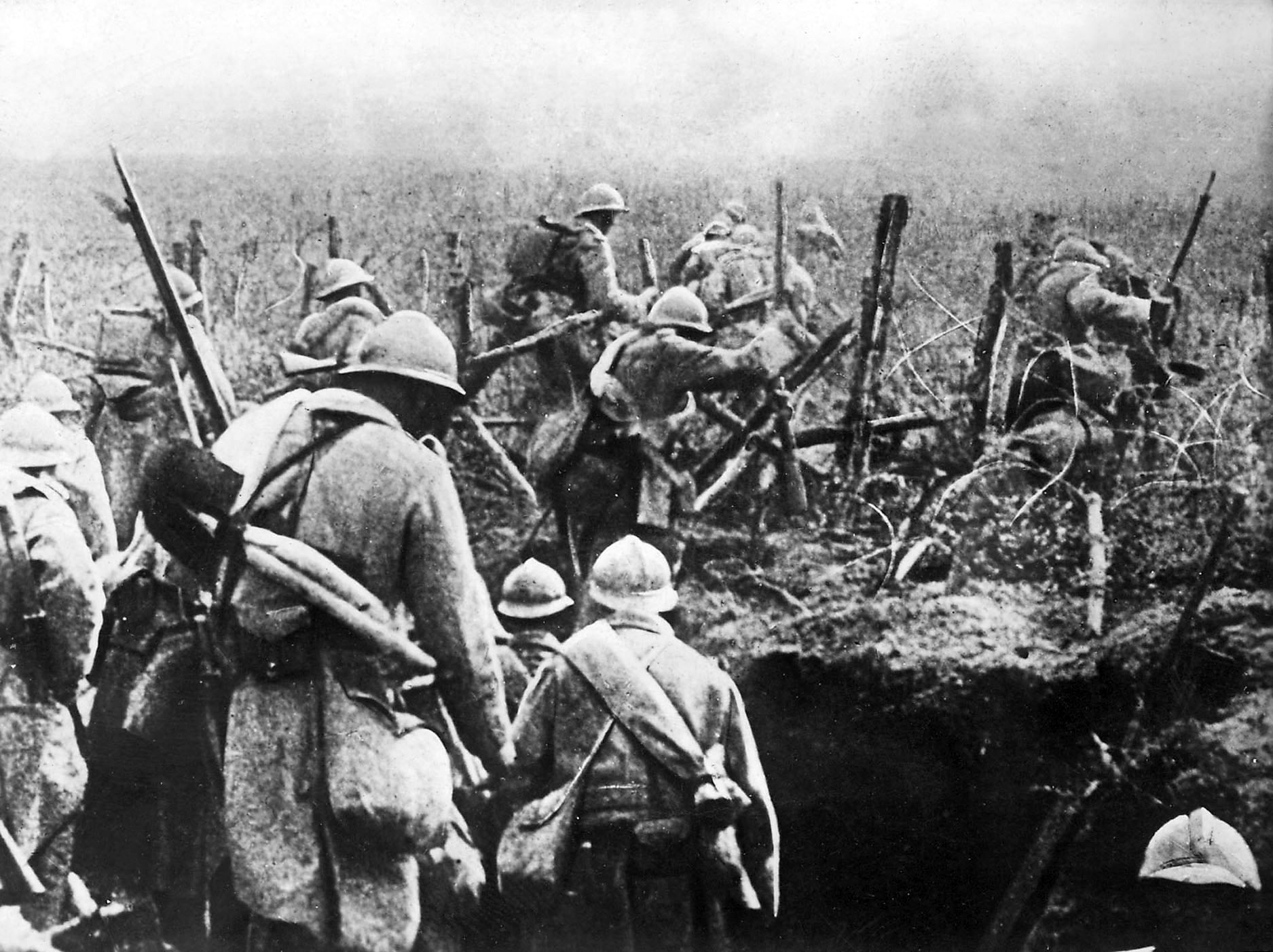
French soldiers moving into attack from their trench during the Battle of Verdun, 1916.

Un champ de bataille de Verdun pendant la guerre 1914-1918 qui conserve les impacts d'obus
Printed in Great Britain Subjects: Verdun, Battle of, Verdun, France, 1916

Bavarian Reserve Railway Construction Company 4, secondary railway siding to the provisions of Prémont, taken on 25. 5. 1917. Before Verdun, light railway station, station, railway

Bei Verdun, Feldbahn (Caplager - Faßwald) Mai-Juni 1916
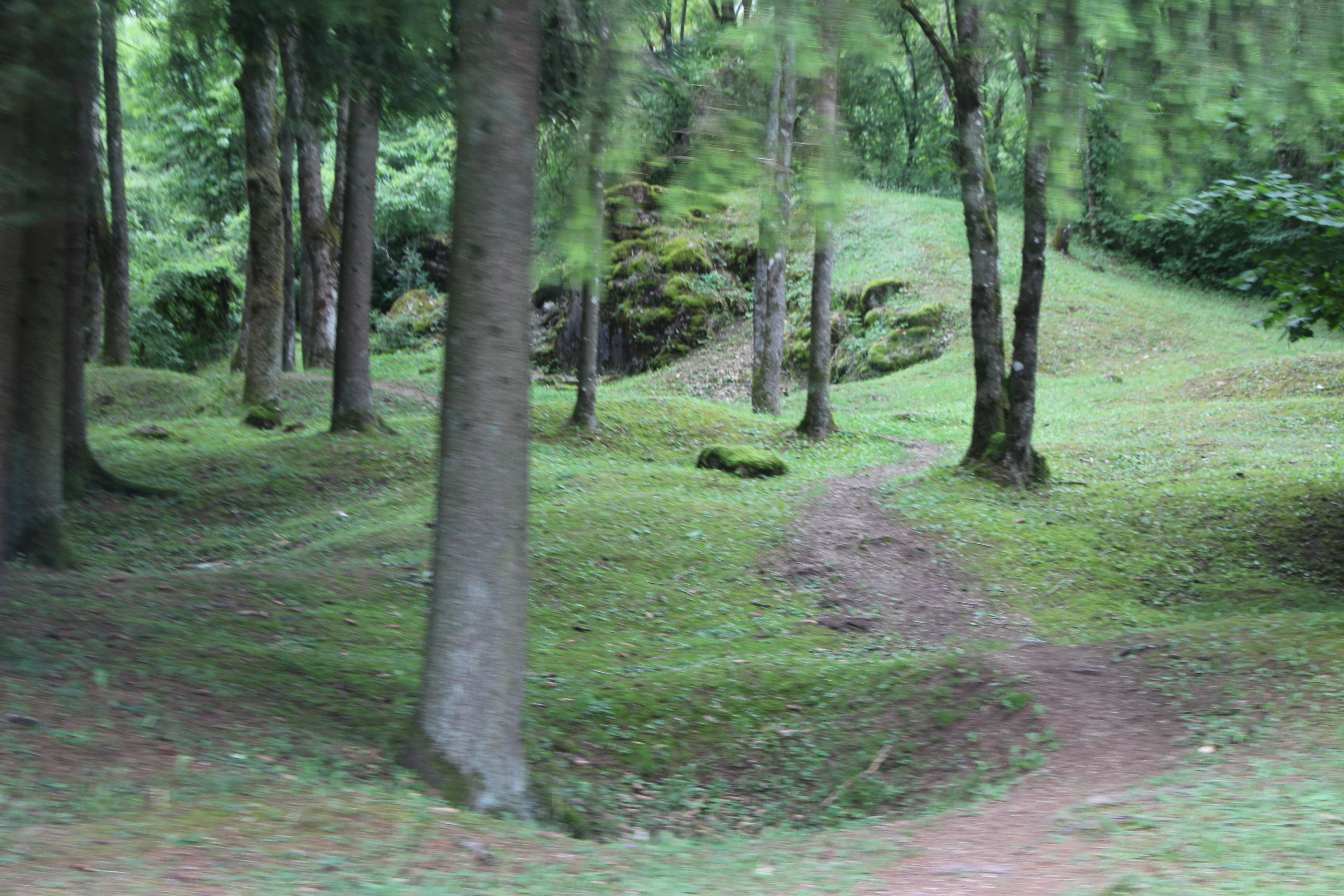
Verdun.

Lead bullet from shrapnel shell recovered on the Verdun battlefield in France.
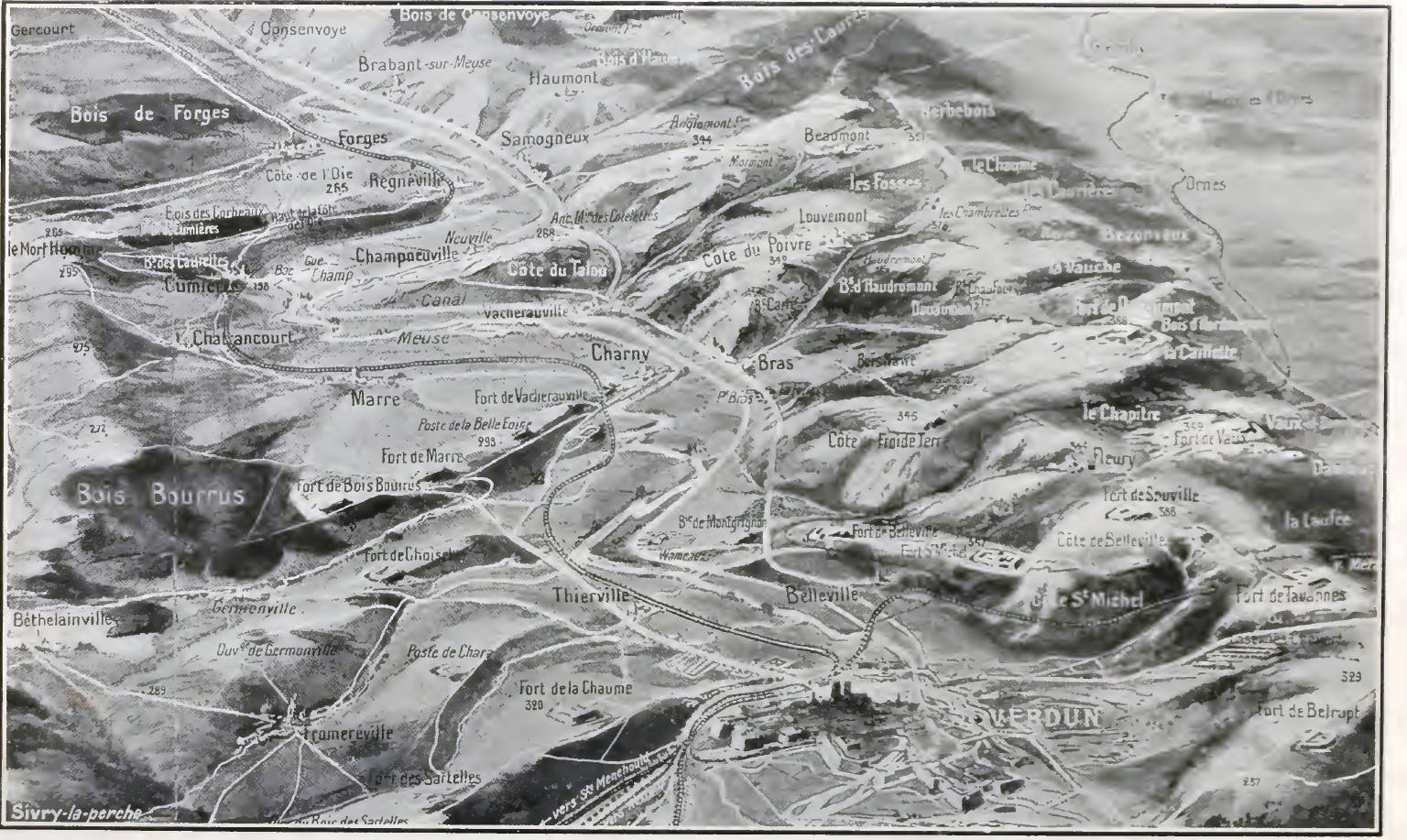
Bird's Eye view of Verdun, 1916
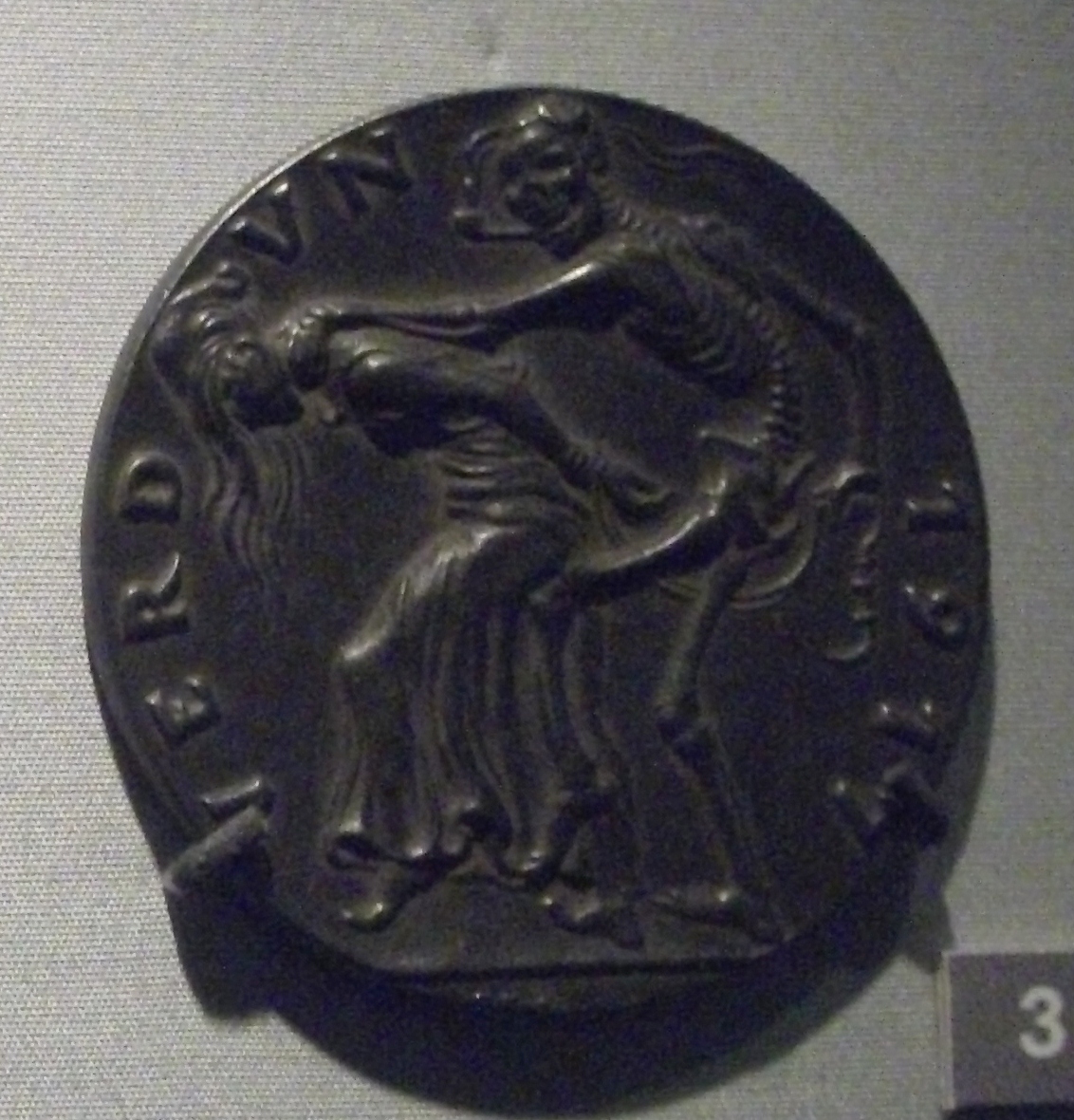
British Museum exhibition: "The other side of the medal: how Germany saw the First World War", 9 May – 23 November 2014

Title: Bringing in French prisoners in a suburb of Verdun, World War 1914-1918 Abstract/medium: 1 photographic print.
Title: Bringing in French prisoners in a suburb of Verdun, World War 1914-1918 Abstract/medium: 1 photographic print.
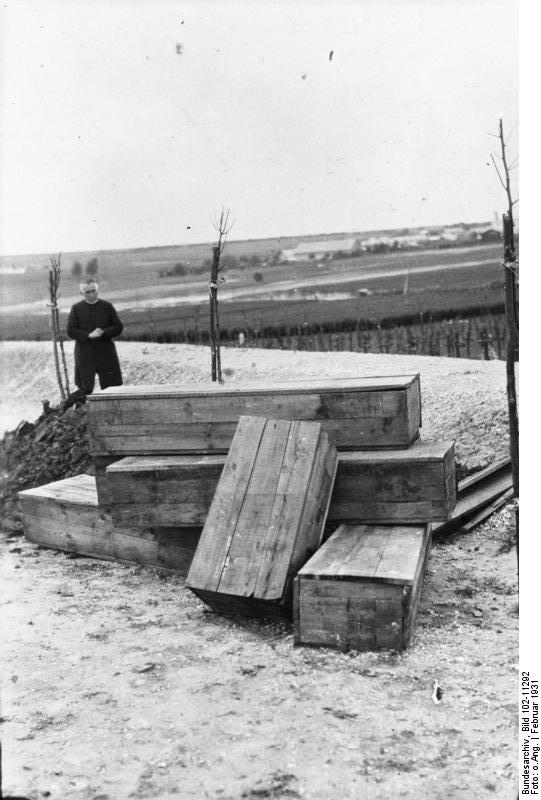
For documentary purposes the German Federal Archive often retained the original image captions, which may be erroneous, biased, obsolete or politically extreme. Nach 15 Jahren auf den Schlachtfeldern von Verdun ! Erst jetzt werden gefundene Soldaten in primitiven Bretterkisten zur letzten Ruhe bestattet.

Title: American soldiers in trenches, France, 1918: USASC #23056 (near Verdun) Abstract/medium: 1 photographic print.
Historical Overview
The Battle of Verdun was fought from 21 February to 18 December 1916 on the Western Front in France. The battle was the longest of the First World War and took place on the hills north of Verdun. The German 5th Army attacked the defences of the Fortified Region of Verdun and those of the French Second Army on the right (east) bank of the Meuse. Using the experience of the Second Battle of Champagne in 1915, the Germans planned to capture the Meuse Heights, an excellent defensive position, with good observation for artillery-fire on Verdun. The Germans hoped that the French would commit their strategic reserve to recapture the position and suffer catastrophic losses at little cost to the German infantry.
Quick Facts
France
- Commander: Philippe Pétain
- Strength: ca. 1.100.000
- Casualties: ca. 377.000
German Empire
- Commander: Erich v. Falkenhayn
- Strength: ca. 1.250.000
- Casualties: ca. 337.000
Strategic Context
German objective: to strategically "bleed France white".
Related Literature


Der Gulag

Die Schlacht um Berlin und das Ende des Dritten Reichs 1945

Hunde, wollt ihr ewig leben: ein Stalingrad-Roman

Roter Hunger: Stalins Krieg gegen die Ukraine

So weit die Füße tragen

Söldner ohne Sold: Die deutschen Freikorps 1918–1923

Vom Massensturm zur Stoßtrupptaktik: Die deutsche Landkriegtaktik im Spiegel von Dienstvorschriften und Publizistik 1906 bis 1918

Wir Wehr-Wölfe: Erinnerungen eines Freikorps-Führers

Zweiter Weltkrieg Erlebnisbericht Apokalypse Stalingrad: Untergang der 6. Armee 1942-1943
Walter Mönch
Rise And Fall Of The Third Reich
William Shirer
Historical Locations
Interactive map requires third-party cookie consent.