All Battles

Srebrenica Massacre

1995 Podrinje Belagerung

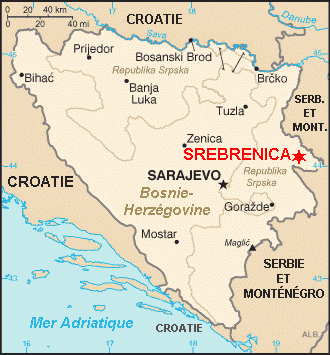
Map of Bosnia and Hercegovina showing Srebrenica

Map of Bosnia and Hercegovina showing Srebrenica

Author: UnknownLicense:PD
Source
On 23 May 2024, the UN General Assembly designated 11 July as the “International Day of Reflection and Commemoration of the 1995 Genocide in Srebrenica.” The decision was criticized by some politicians in Serbia and Republika Srpska, who subsequently displayed billboards featuring the Cyrillic slogan “We are not a genocidal people” and messages thanking states that either voted against the resolution or abstained. Supporters of the campaign combined the numbers of opposing and abstaining countries to argue that a some number of states did not support the resolution.

On 23 May 2024, the UN General Assembly designated 11 July as the “International Day of Reflection and Commemoration of the 1995 Genocide in Srebrenica.” The decision was criticized by some politicians in Serbia and Republika Srpska, who subsequently displayed billboards featuring the Cyrillic slogan “We are not a genocidal people” and messages thanking states that either voted against the resolution or abstained. Supporters of the campaign combined the numbers of opposing and abstaining countries to argue that a some number of states did not support the resolution.

Author: Franjo TahyLicense:CC0
Source
On 23 May 2024, the UN General Assembly designated 11 July as the “International Day of Reflection and Commemoration of the 1995 Genocide in Srebrenica.” The decision was criticized by some politicians in Serbia and Republika Srpska, who subsequently displayed billboards featuring the Cyrillic slogan “We are not a genocidal people” and messages thanking states that either voted against the resolution or abstained. Supporters of the campaign combined the numbers of opposing and abstaining countries to argue that a some number of states did not support the resolution.

On 23 May 2024, the UN General Assembly designated 11 July as the “International Day of Reflection and Commemoration of the 1995 Genocide in Srebrenica.” The decision was criticized by some politicians in Serbia and Republika Srpska, who subsequently displayed billboards featuring the Cyrillic slogan “We are not a genocidal people” and messages thanking states that either voted against the resolution or abstained. Supporters of the campaign combined the numbers of opposing and abstaining countries to argue that a some number of states did not support the resolution.

Author: Franjo TahyLicense:CC0
Source
Wij 'betreuren' wat er gebeurd is. Of: 'wij voelen mee' met de nabestaanden. Het klinkt meelevend, maar het zijn zorgvuldig gekozen woorden om het woord 'excuses' vooral te vermijden. Waarom Nederland zo huiverig was om dat woord uit te spreken in het geval van Rawagede en Srebrenica en of dit wel terecht is hoor je in dit college. “Sorry seems to be the hardest word”, zong Elton John ooit, maar volgens Rianne Letschert (Tilburg University) hoeft dat helemaal niet zo moeilijk te zijn!

Deze week in Universiteit van Nederland:
Rechtsgeleerde prof. dr. mr. Rianne Letschert
Wie college volgt van Rianne Letschert (Tilburg University) krijgt niet alleen een inkijkje in het internationale recht vanuit literatuuronderzoek, maar krijgt ook verhalen uit eerste hand over hoe internationale tribunalen werken en welke alternatieve vormen van rechtspraak er allemaal bestaan. Ze reist de hele wereld over, maar had gelukkig de tijd om bij ons te spreken over wat haar drijft: de positie van slachtoffers in het internationale recht.
Meer weten?
Klik hier voor meer informatie! http://www.universiteitvannederland.nl/college/waarom-vindt-nederland-het-zo-moeilijk-om-sorry-te-zeggen-voor-rawagede-en-srebrenica


Over de Universiteit van Nederland:
De beste hoogleraren van Nederland geven gratis college op internet. Elke werkdag komt er een nieuw college online, en elke week een nieuwe hoogleraar.
Een opname bijwonen? Dat kan!
Vier avonden per maand nemen we colleges op in Club AIR, Amsterdam, en jij kunt daarbij zijn. Tijdens zo’n avond nemen we vijf colleges van een kwartier op, gevolgd door Q&A en meet and greet (want tegen die tijd is de hoogleraar een rockster). Een echte aanrader!
Voor tickets en meer info ► http://www.universiteitvannederland.nl/college-bijwonen/
Check onze website! ► http://www.universiteitvannederland.nl/
Twitter ► https://twitter.com/UniversiteitNL
Facebook ► https://www.facebook.com/UniversiteitVanNederland

Onze colleges worden opgenomen door Doogle ► http://www.doogle.amsterdam

Wij 'betreuren' wat er gebeurd is. Of: 'wij voelen mee' met de nabestaanden. Het klinkt meelevend, maar het zijn zorgvuldig gekozen woorden om het woord 'excuses' vooral te vermijden. Waarom Nederland zo huiverig was om dat woord uit te spreken in het geval van Rawagede en Srebrenica en of dit wel terecht is hoor je in dit college. “Sorry seems to be the hardest word”, zong Elton John ooit, maar volgens Rianne Letschert (Tilburg University) hoeft dat helemaal niet zo moeilijk te zijn! Deze week in Universiteit van Nederland: Rechtsgeleerde prof. dr. mr. Rianne Letschert Wie college volgt van Rianne Letschert (Tilburg University) krijgt niet alleen een inkijkje in het internationale recht vanuit literatuuronderzoek, maar krijgt ook verhalen uit eerste hand over hoe internationale tribunalen werken en welke alternatieve vormen van rechtspraak er allemaal bestaan. Ze reist de hele wereld over, maar had gelukkig de tijd om bij ons te spreken over wat haar drijft: de positie van slachtoffers in het internationale recht. Meer weten? Klik hier voor meer informatie! http://www.universiteitvannederland.nl/college/waarom-vindt-nederland-het-zo-moeilijk-om-sorry-te-zeggen-voor-rawagede-en-srebrenica Over de Universiteit van Nederland: De beste hoogleraren van Nederland geven gratis college op internet. Elke werkdag komt er een nieuw college online, en elke week een nieuwe hoogleraar. Een opname bijwonen? Dat kan! Vier avonden per maand nemen we colleges op in Club AIR, Amsterdam, en jij kunt daarbij zijn. Tijdens zo’n avond nemen we vijf colleges van een kwartier op, gevolgd door Q&A en meet and greet (want tegen die tijd is de hoogleraar een rockster). Een echte aanrader! Voor tickets en meer info ► http://www.universiteitvannederland.nl/college-bijwonen/ Check onze website! ► http://www.universiteitvannederland.nl/ Twitter ► https://twitter.com/UniversiteitNL Facebook ► https://www.facebook.com/UniversiteitVanNederland Onze colleges worden opgenomen door Doogle ► http://www.doogle.amsterdam

Author: Universiteit van NederlandLicense:CC-BY-4.0
Source
International Day of Reflection and Commemoration of the 1995 Genocide in Srebrenica

International Day of Reflection and Commemoration of the 1995 Genocide in Srebrenica

Author: Unknown authorUnknown authorLicense:PD
Source
Photo Exhibit used in ICTY Srebrenica Cases: Blood found on walls at the “Pilica” farm

Photo Exhibit used in ICTY Srebrenica Cases: Blood found on walls at the “Pilica” farm

Author: UN International Criminal Tribunal for the former YugoslaviaLicense:CC-BY-4.0
Source
Bosniaken in der Nähe von Mazedonien trauerten den Jahrestag des Völkermords von Srebrenica
Bosniaken in der Nähe von Mazedonien trauerten den Jahrestag des Völkermords von Srebrenica

Author: DuvnjakBiHLicense:CC-BY-SA-4.0
Source
Photo Exhibit used in ICTY Srebrenica Cases: 1996 Branjevo Military Farm grave exhumation
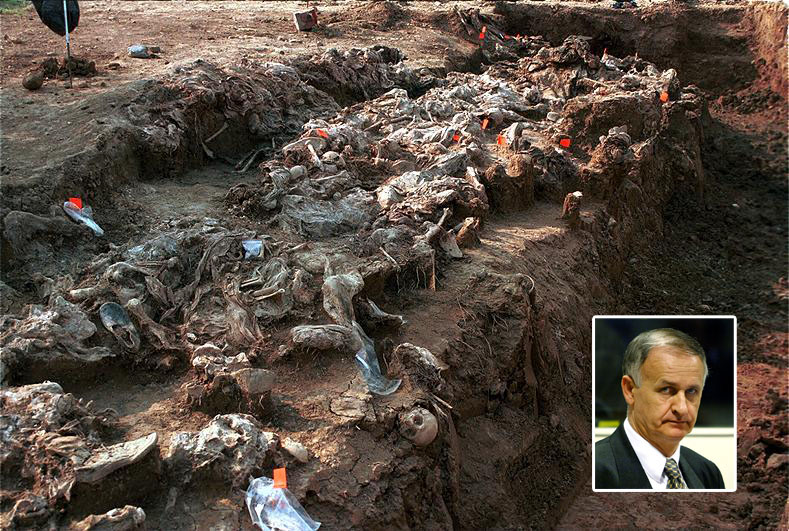
Photo Exhibit used in ICTY Srebrenica Cases: 1996 Branjevo Military Farm grave exhumation

Author: UN International Criminal Tribunal for the former YugoslaviaLicense:CC-BY-4.0
Source
19 April 2004 - First conviction for genocide is upheld on appeal. The Appeals Chamber determines that Radislav Krstić, formerly the commander of the Drina Corps of the Bosnian Serb Army, aided and abetted genocide in Srebrenica.

19 April 2004 - First conviction for genocide is upheld on appeal. The Appeals Chamber determines that Radislav Krstić, formerly the commander of the Drina Corps of the Bosnian Serb Army, aided and abetted genocide in Srebrenica.

Author: UN International Criminal Tribunal for the former YugoslaviaLicense:CC-BY-4.0
Source
Photo Exhibit used in ICTY Srebrenica Cases: Exhumation site in Čančari valley
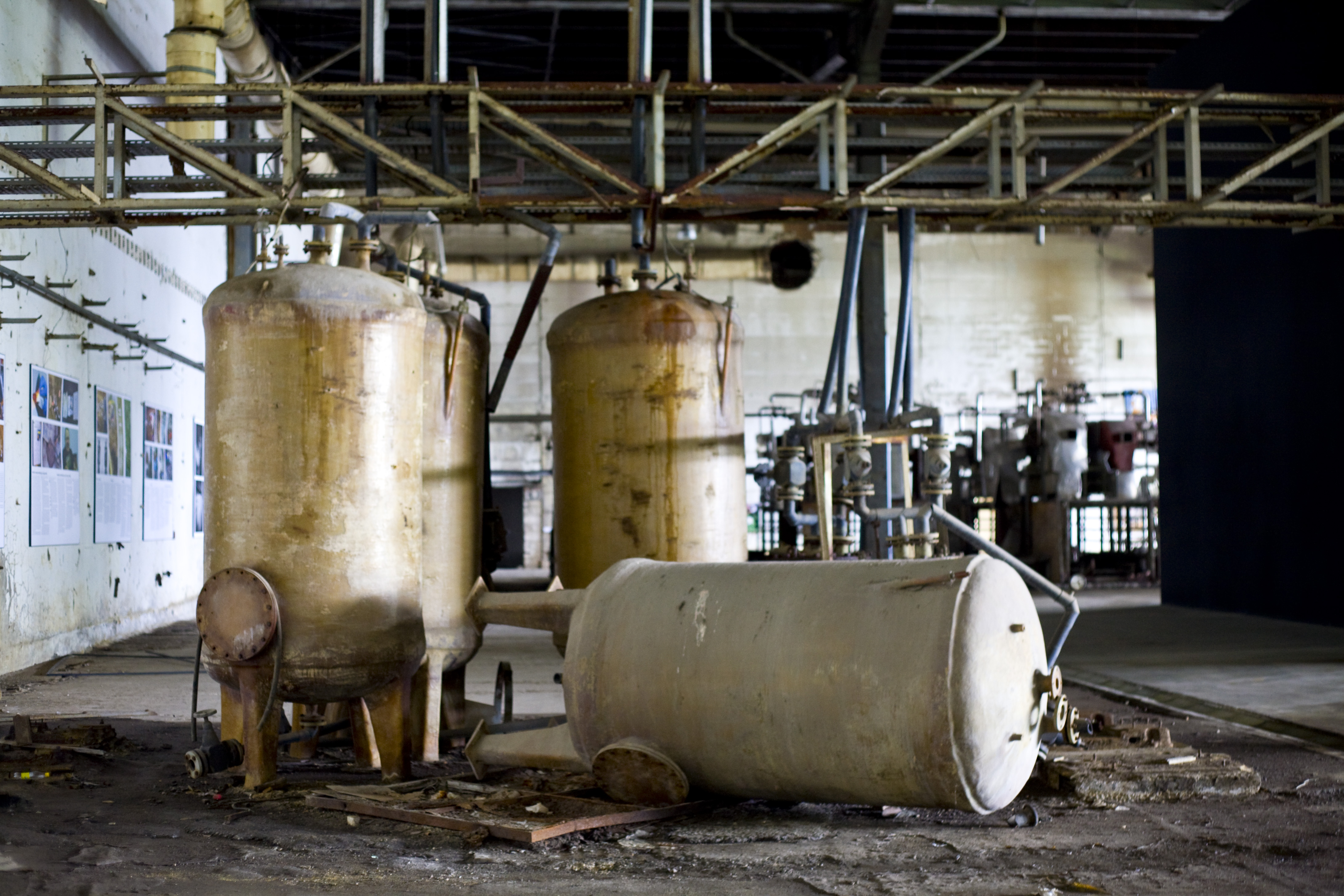
Photo Exhibit used in ICTY Srebrenica Cases: Exhumation site in Čančari valley

Author: UN International Criminal Tribunal for the former YugoslaviaLicense:CC-BY-4.0
Source
Srebrenica

Srebrenica

Author: miketnortonLicense:CC-BY-4.0
Source
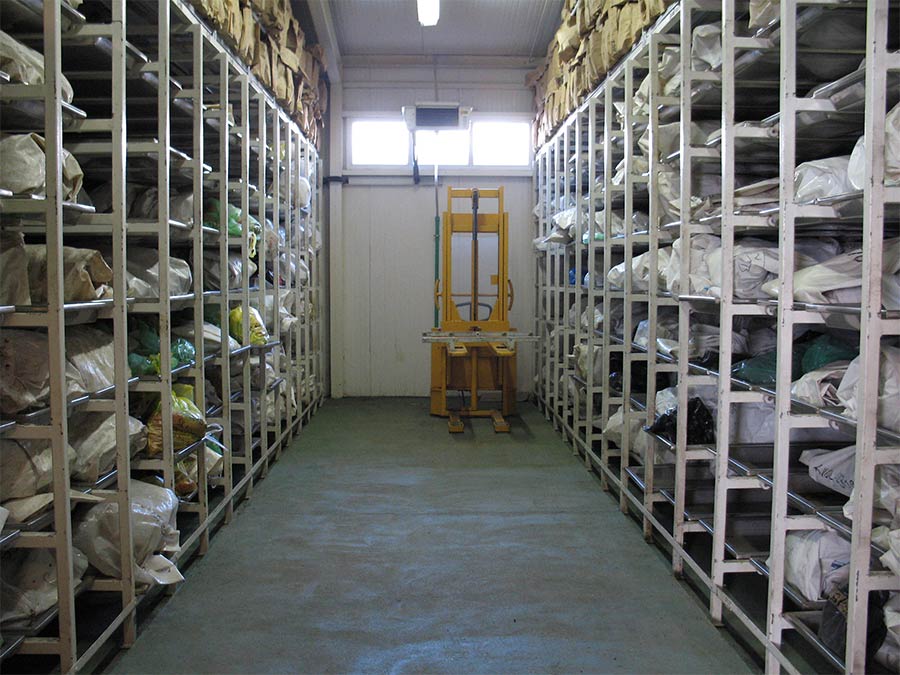
ICMP's Podrinje Identification Project (PIP) was formed to deal with the identification primarily of victims of 1995 Srebrenica massacre. PIP includes a facility for storing, processing, and handling exhumed remains. Much of the remains are only fragments or commingled body fragments since they were recovered from secondary mass graves. The photo depicts one section of the refrigerated mortuary.

ICMP's Podrinje Identification Project (PIP) was formed to deal with the identification primarily of victims of 1995 Srebrenica massacre. PIP includes a facility for storing, processing, and handling exhumed remains. Much of the remains are only fragments or commingled body fragments since they were recovered from secondary mass graves. The photo depicts one section of the refrigerated mortuary.

Author: The original uploader was Jasmin A. at English Wikipedia.License:PD
Source
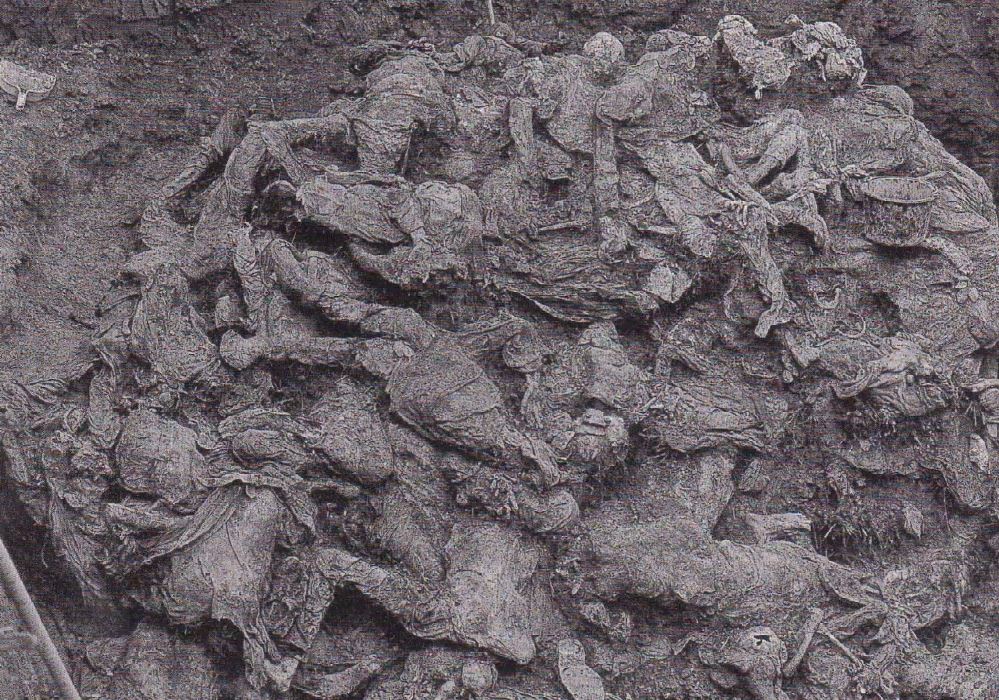
July 6, 1996 - One of the graves at Nova Kasaba during an initial probe of the grave.

July 6, 1996 - One of the graves at Nova Kasaba during an initial probe of the grave.

Author: UN International Criminal Tribunal for the former YugoslaviaLicense:CC-BY-4.0
Source
Khojaly 20

Khojaly 20

Author: Tərxan PaşazadəLicense:PD
Source
Map of military operations on July, 1995 against the town of Srebrenica.

Map of military operations on July, 1995 against the town of Srebrenica.

Author: Central Intelligence AgencyLicense:CC0
Source
Karta vojnih operacija u julu 1995. izvršenih u Srebrenici

Karta vojnih operacija u julu 1995. izvršenih u Srebrenici

Author: Central Intelligence AgencyLicense:PD
Source
Map of military operations on July, 1995 against the town of Srebrenica
Map of military operations on July, 1995 against the town of Srebrenica

Author: Central Intelligence AgencyLicense:PD
Source
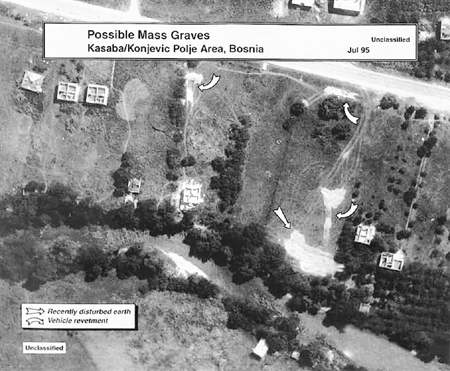
Aerial photo of Nova Kasaba mass graves.

Aerial photo of Nova Kasaba mass graves.

Author: United States Army Center of Military HistoryLicense:PD
Source
Meeting of Serbian general Ratko Mladić and Dutch colonel Thom Karremans in Srebenica in July 1995

Meeting of Serbian general Ratko Mladić and Dutch colonel Thom Karremans in Srebenica in July 1995

Author: anonimousLicense:PD
Source
Nedžad Avdić, witness of ethnic cleansing in Srebrenica

Nedžad Avdić, witness of ethnic cleansing in Srebrenica

Author: HladnikmLicense:CC-BY-SA-4.0
Source
Prosecutor v. Vujadin Popovic

Prosecutor v. Vujadin Popovic

Author: Mr. John HockingLicense:PD
Source
Srebrenica exhumation programme, Bosnia and Herzegovina, 1996.

Srebrenica exhumation programme, Bosnia and Herzegovina, 1996.

Author: UN International Criminal Tribunal for the former YugoslaviaLicense:CC-BY-4.0
Source
Map of Srebrenica Genocide in Japannese language

Map of Srebrenica Genocide in Japannese language

Author: PeccaflyLicense:PD
Source
Countryside around the village of Potocari, near Srebrenica, Bosnia and Herzegovina.

Countryside around the village of Potocari, near Srebrenica, Bosnia and Herzegovina.

Author: Adam Jones Adam63License:CC-BY-SA-4.0
Source
An exhumed mass grave in Potocari, Bosnia and Herzegovina, where key events in the July 1995 Srebrenica Massacre unfolded. July 2007.

An exhumed mass grave in Potocari, Bosnia and Herzegovina, where key events in the July 1995 Srebrenica Massacre unfolded. July 2007.

Author: Adam Jones Adam63License:CC-BY-SA-4.0
Source

Historical Overview

Fall of UN safe area; genocide of over 8,000 Bosniaks.

Quick Facts

Outcome:Serb. victory.

Rep. Srpska

  • Commander: Ratko Mladić
  • Strength: 2000
  • Casualties: gering

Bosniaks

  • Commander: Naser Orić
  • Strength: 5000
  • Casualties: 8372

Strategic Context

Serbian capture of an enclave in East Bosnia.

Related Literature

Cover of Arms of the Future, The: Technology and Close Combat in the Twenty-First Century

Arms of the Future, The: Technology and Close Combat in the Twenty-First Century

War TheoryNon-fictionMilitärtheorie

English
Contemporary History
Cover of Das Karfreitagsgefecht: Deutsche Soldaten im Feuer der Taliban | Was Soldaten der Bundeswehr in Afghanistan erlebt haben

Das Karfreitagsgefecht: Deutsche Soldaten im Feuer der Taliban | Was Soldaten der Bundeswehr in Afghanistan erlebt haben

Afghan WarReport21st Century

German
Contemporary History
Cover of Die Rückkehr des Krieges: Warum wir wieder lernen müssen, mit Krieg umzugehen

Die Rückkehr des Krieges: Warum wir wieder lernen müssen, mit Krieg umzugehen

Non-fiction21st Century

German
Contemporary History
Cover of Leben und sterben lassen: Die letzten Tage der Bundeswehr in Afghanistan

Leben und sterben lassen: Die letzten Tage der Bundeswehr in Afghanistan

Afghanistan WarReport

German
Contemporary History
Cover of Welt in Aufruhr: Die Ordnung der Mächte im 21. Jahrhundert

Welt in Aufruhr: Die Ordnung der Mächte im 21. Jahrhundert

Non-fiction21st Century

German
Contemporary History

Historical Locations

Interactive map requires third-party cookie consent.