All Battles

Battle of the Piave

1918 Venetien Feldschlacht

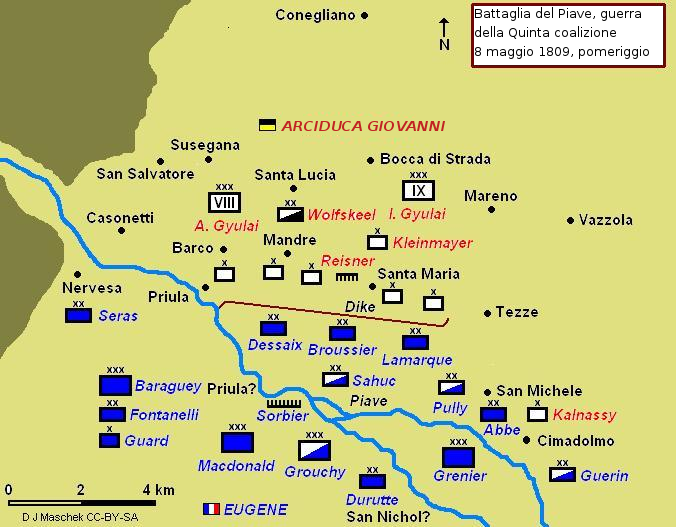
Mappa della battaglia del Piave del 1809

Mappa della battaglia del Piave del 1809

Author: Djmaschek (talk · contribs)License:CC-BY-SA-4.0
Source
Avstro-ogrski pantonski mostovi čez Piavo med bitko na reki Piavi.
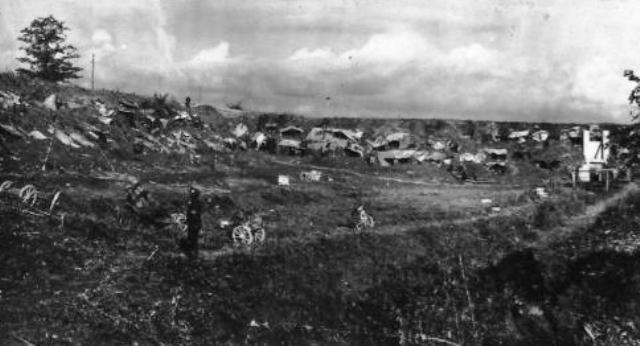
Avstro-ogrski pantonski mostovi čez Piavo med bitko na reki Piavi.

Author: Unknown authorUnknown authorLicense:PD
Source
Avstro-ogrski zakloni ob reki Piavi

Avstro-ogrski zakloni ob reki Piavi

Author: Unknown authorUnknown authorLicense:PD
Source
Czechoslovak soldiers in the trenches on the Piave
Czechoslovak soldiers in the trenches on the Piave

Author: Unknown authorUnknown authorLicense:PD
Source
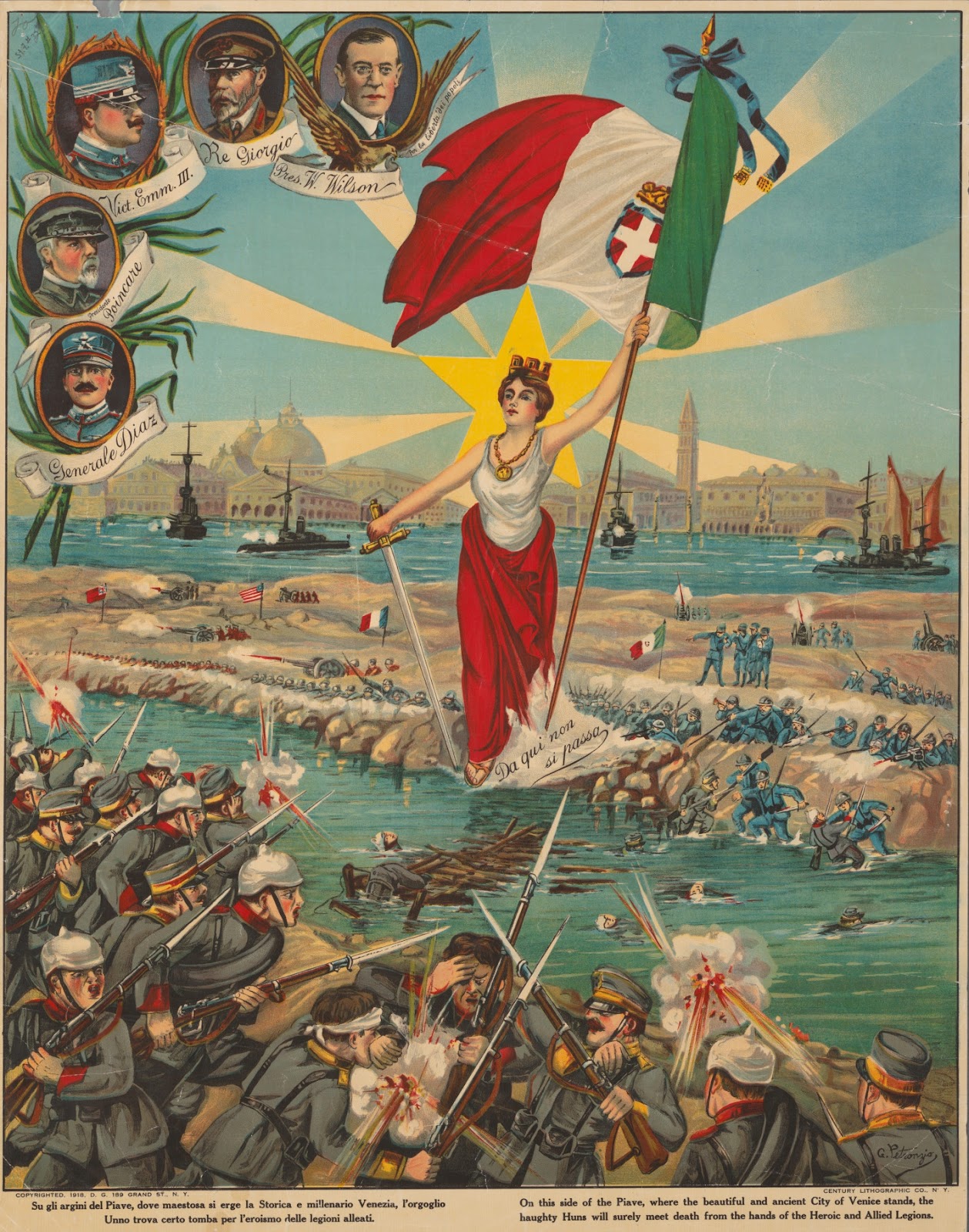
La Linea del Piave 1918

La Linea del Piave 1918

Author: Petronzio (1885- 1935)License:PD
Source
The German front at the Piave River, 1917

The German front at the Piave River, 1917

Author: Unknown photographerUnknown photographerLicense:PD
Source
Vojaki 2. gorskega strelskega polka v času hudih vojaških spopadov z italijansko vojsko na reki Piavi (junij 1918).

Vojaki 2. gorskega strelskega polka v času hudih vojaških spopadov z italijansko vojsko na reki Piavi (junij 1918).

Author: Unknown authorUnknown authorLicense:PD
Source
3666 During the rest on the right bank of the Piave between June 1918 offensive.

3666 During the rest on the right bank of the Piave between June 1918 offensive.

Author: Unknown authorUnknown authorLicense:PD
Source
General notes:  Use War and Conflict Number 634 when ordering a reproduction or requesting information about this image.

General notes: Use War and Conflict Number 634 when ordering a reproduction or requesting information about this image.

Author: Unknown authorUnknown author or not providedLicense:PD
Source
Certificate of recognition for the XI Army Command after the June Battle of 1918, Lutschounig Barracks/Staff Building

Certificate of recognition for the XI Army Command after the June Battle of 1918, Lutschounig Barracks/Staff Building

Author: NaturpuurLicense:CC-BY-SA-4.0
Source
Austrian POWs captured by Italy. World War I
Original caption: Austrian Prisoners Captured by the Italians near Fagoré (Pia've). Italian Official Photograph.

Austrian POWs captured by Italy. World War I Original caption: Austrian Prisoners Captured by the Italians near Fagoré (Pia've). Italian Official Photograph.

Author: Unknown photographerLicense:PD
Source
Map of the Battle of the Asiago Plateau and the Piave River, July 1918

Map of the Battle of the Asiago Plateau and the Piave River, July 1918

Author: T. Dodson Stamps and Vincent J. EspositoLicense:CC-BY-SA-4.0
Source
Map of the Battle of the Asiago Plateau and the Piave River, July 1918

Map of the Battle of the Asiago Plateau and the Piave River, July 1918

Author: T. Dodson Stamps and Vincent J. EspositoLicense:PD
Source
Bojišče na reki Piavi po Piavi. Bitka na reki Piavi je trajala osem dni, vreme je bilo deževno, ranjencev in mrtvih ogromno.

Bojišče na reki Piavi po Piavi. Bitka na reki Piavi je trajala osem dni, vreme je bilo deževno, ranjencev in mrtvih ogromno.

Author: Unknown authorUnknown authorLicense:PD
Source
Bojišče na reki Piavi

Bojišče na reki Piavi

Author: Unknown authorUnknown authorLicense:PD
Source
Foto: Bestetti & Tumminelli, Milano
recto: A S. Andrea Ponte di Piave - Iscrizioni patriottiche dei nostri soldati.
Cartolina che riproduce una celebre foto tratta dalla Raccolta della Sez. Fotocinematografica del Comando Supr. del R. Esercito It.
Fa parte della collana pubblicata per celebrare la resistenza italiana in occasione della battaglia del Solstizio, l'ultima grande offensiva sferrata il 15 giugno 1918 dagli austriaci al fine di imprimere al conflitto quella svolta decisiva che avrebbe consentito un completo e definitivo sfondamento del fronte italiano.
In realtà, dopo alterne vicende che videro anche il passaggio del Piave da parte di truppe austro-ungariche, il 26 giugno questa battaglia si concluse, dal punto di vista territoriale, in un nulla di fatto. Molto importanti furono invece gli effetti sul morale di entrambi gli eserciti impegnati: per gli austriaci, con un passivo drammatico in termini di uomini e mezzi (le perdite in questa battaglia ammontarono a 150.000 uomini), sfumata l'ultima occasione di porre termine alla guerra sul fronte italiano, persa definitivamente l'iniziativa sul piano militare soprattutto a causa delle disastrose condizioni socio-economiche in cui versava l'Impero, fu l'inizio della fine. Gli italiani invece, dando prova di saper resistere a un urto formidabile, accantonarono il complesso della disfatta di Caporetto e cominciarono concretamente a porre le basi della vittoria che arriderà loro entro pochi mesi.

Luogo: Sant'Andrea di Barbarana di San Biagio di Callalta (TV)

Foto: Bestetti & Tumminelli, Milano recto: A S. Andrea Ponte di Piave - Iscrizioni patriottiche dei nostri soldati. Cartolina che riproduce una celebre foto tratta dalla Raccolta della Sez. Fotocinematografica del Comando Supr. del R. Esercito It. Fa parte della collana pubblicata per celebrare la resistenza italiana in occasione della battaglia del Solstizio, l'ultima grande offensiva sferrata il 15 giugno 1918 dagli austriaci al fine di imprimere al conflitto quella svolta decisiva che avrebbe consentito un completo e definitivo sfondamento del fronte italiano. In realtà, dopo alterne vicende che videro anche il passaggio del Piave da parte di truppe austro-ungariche, il 26 giugno questa battaglia si concluse, dal punto di vista territoriale, in un nulla di fatto. Molto importanti furono invece gli effetti sul morale di entrambi gli eserciti impegnati: per gli austriaci, con un passivo drammatico in termini di uomini e mezzi (le perdite in questa battaglia ammontarono a 150.000 uomini), sfumata l'ultima occasione di porre termine alla guerra sul fronte italiano, persa definitivamente l'iniziativa sul piano militare soprattutto a causa delle disastrose condizioni socio-economiche in cui versava l'Impero, fu l'inizio della fine. Gli italiani invece, dando prova di saper resistere a un urto formidabile, accantonarono il complesso della disfatta di Caporetto e cominciarono concretamente a porre le basi della vittoria che arriderà loro entro pochi mesi. Luogo: Sant'Andrea di Barbarana di San Biagio di Callalta (TV)

Author: Luigi MarzocchiLicense:PD
Source
Scan of L'ILLUSTRATION No 3906 12 Janvier 1918.

Dans la neige du front italien. La valée de la Piave vue d'une tranchée française

Scan of L'ILLUSTRATION No 3906 12 Janvier 1918. Dans la neige du front italien. La valée de la Piave vue d'une tranchée française

Author: Unknown authorUnknown authorLicense:PD
Source
Dovažanje streliva ob Piavi

Dovažanje streliva ob Piavi

Author: Unknown authorUnknown authorLicense:PD
Source
Failed attack by the Italians under the protection of their naval forces in the Piave Delta on July 4, 1918

Failed attack by the Italians under the protection of their naval forces in the Piave Delta on July 4, 1918

Author: Moritz LedeliLicense:PD
Source
From the battle for Monte Montello, 1918

From the battle for Monte Montello, 1918

Author: Albert ReichLicense:PD
Source
Italy. Between Brenta and Piave. Transport of captured Italians

Italy. Between Brenta and Piave. Transport of captured Italians

Author: Unknown authorUnknown author or not providedLicense:PD
Source
Italy. In the upper Piave Valley. German infantry on the march through Belluno

Italy. In the upper Piave Valley. German infantry on the march through Belluno

Author: Unknown authorUnknown author or not providedLicense:PD
Source
Italy. In the upper Piave valley. Wagon Park column at rest

Italy. In the upper Piave valley. Wagon Park column at rest

Author: Unknown authorUnknown author or not providedLicense:PD
Source
Italy. On the march in the upper Piave valley

Italy. On the march in the upper Piave valley

Author: Unknown authorUnknown author or not providedLicense:PD
Source
Collectie / Archief: Fotocollectie Spaarnestad OnderwerpenReportage / Serie: Deelnemende partijen, vrijwilligers W.O.IBeschrijving: July 1918 - Arditi after Italian offensive at Piave / Begin 1918 voerde Italië elite-afdelingen in het leger in, de 'arditi". De leden daarvan waren meestal studenten-vrijwilligers die een extra-zware opleiding kregen. Zij hadden een eigen uniform, insignes en privileges en werden steed ingezet op de gevaarlijkste punten aan het front. Hier uiten 'arditi" hun vreugde over een overwinning die zij eind oct. 1918 behaalden bij het eindoffensief van het Italiaanse legerAnnotatie: In de Engelse tekst wordt als datum juli 1918, in de Nederlandse oktober 1918Datum: 1918Locatie: ItaliëTrefwoorden: oorlog, eerste wereldoorlog, oorlogenInstellingsnamen: Eerste WereldoorlogFotograaf: Mondadori PressAuteursrechthebbende: RechtenvrijMateriaalsoort: Foto (zwart/wit)Nummer toegang: 7.000SPAondInventarisnummer: 22061Bestanddeelnummer: 22061_074

Collectie / Archief: Fotocollectie Spaarnestad OnderwerpenReportage / Serie: Deelnemende partijen, vrijwilligers W.O.IBeschrijving: July 1918 - Arditi after Italian offensive at Piave / Begin 1918 voerde Italië elite-afdelingen in het leger in, de 'arditi". De leden daarvan waren meestal studenten-vrijwilligers die een extra-zware opleiding kregen. Zij hadden een eigen uniform, insignes en privileges en werden steed ingezet op de gevaarlijkste punten aan het front. Hier uiten 'arditi" hun vreugde over een overwinning die zij eind oct. 1918 behaalden bij het eindoffensief van het Italiaanse legerAnnotatie: In de Engelse tekst wordt als datum juli 1918, in de Nederlandse oktober 1918Datum: 1918Locatie: ItaliëTrefwoorden: oorlog, eerste wereldoorlog, oorlogenInstellingsnamen: Eerste WereldoorlogFotograaf: Mondadori PressAuteursrechthebbende: RechtenvrijMateriaalsoort: Foto (zwart/wit)Nummer toegang: 7.000SPAondInventarisnummer: 22061Bestanddeelnummer: 22061_074

Author: Mondadori PressLicense:CC0
Source
Letalski posnetek položajev
ob reki Piavi, april 1918

Letalski posnetek položajev ob reki Piavi, april 1918

Author: Unknown authorUnknown authorLicense:PD
Source

Historical Overview

Final desperate attack by Austria-Hungary; logistical disaster.

Quick Facts

Outcome:Italian victory.

Kingdom of Italy

  • Commander: Armando Diaz
  • Strength: 1000000
  • Casualties: ca. 85.000

Austria-Hungary

  • Commander: Svetozar Boroević
  • Strength: 900000
  • Casualties: ca. 118.000

Strategic Context

Attempt to finally knock Italy out of the war after Caporetto.

Related Literature

Cover of Berlin: The Downfall 1945

Berlin: The Downfall 1945

Antony Beevor

Non-fictionWW2WW2 Eastern Front

English
World Wars Era
Cover of Gulag: A History

Gulag: A History

Non-fiction20th CenturySoviet Union

English
World Wars Era
Cover of Red Famine: Stalin's War on Ukraine

Red Famine: Stalin's War on Ukraine

Non-fiction20th CenturySoviet Union

English
World Wars Era
Cover of Stalingrad

Stalingrad

Antony Beevor

WW2ReportWW2 Eastern Front

English
World Wars Era
Cover of The Gulag Archipelago

The Gulag Archipelago

Non-fiction20th CenturySoviet Union

English
World Wars Era
Cover of Der Gulag

Der Gulag

Non-fiction20th CenturySoviet Union

German
World Wars Era
Cover of Die Schlacht um Berlin und das Ende des Dritten Reichs 1945

Die Schlacht um Berlin und das Ende des Dritten Reichs 1945

Non-fictionWW2WW2 Eastern Front

German
World Wars Era
Cover of Hunde, wollt ihr ewig leben: ein Stalingrad-Roman

Hunde, wollt ihr ewig leben: ein Stalingrad-Roman

WW2WW2 Eastern FrontHistorical Noval

German
World Wars Era
Cover of Roter Hunger: Stalins Krieg gegen die Ukraine

Roter Hunger: Stalins Krieg gegen die Ukraine

Non-fiction20th CenturySoviet Union

German
World Wars Era
Cover of So weit die Füße tragen

So weit die Füße tragen

20th CenturySoviet UnionGulag

German
World Wars Era
Cover of Söldner ohne Sold: Die deutschen Freikorps 1918–1923

Söldner ohne Sold: Die deutschen Freikorps 1918–1923

Report20th CenturyGerman History

German
World Wars Era
Cover of Vom Massensturm zur Stoßtrupptaktik: Die deutsche Landkriegtaktik im Spiegel von Dienstvorschriften und Publizistik 1906 bis 1918

Vom Massensturm zur Stoßtrupptaktik: Die deutsche Landkriegtaktik im Spiegel von Dienstvorschriften und Publizistik 1906 bis 1918

Non-fiction20th CenturyGerman History

German
World Wars Era
Cover of Wir Wehr-Wölfe: Erinnerungen eines Freikorps-Führers

Wir Wehr-Wölfe: Erinnerungen eines Freikorps-Führers

Report20th CenturyGerman History

German
World Wars Era
Cover of Zweiter Weltkrieg Erlebnisbericht Apokalypse Stalingrad: Untergang der 6. Armee 1942-1943

Zweiter Weltkrieg Erlebnisbericht Apokalypse Stalingrad: Untergang der 6. Armee 1942-1943

Walter Mönch

Non-fictionWW2WW2 Eastern Front

German
World Wars Era
Rise And Fall Of The Third Reich

Rise And Fall Of The Third Reich

William Shirer

20th CenturyGerman HistoryNational Socialism

World Wars Era

Historical Locations

Interactive map requires third-party cookie consent.