Operation Bagration
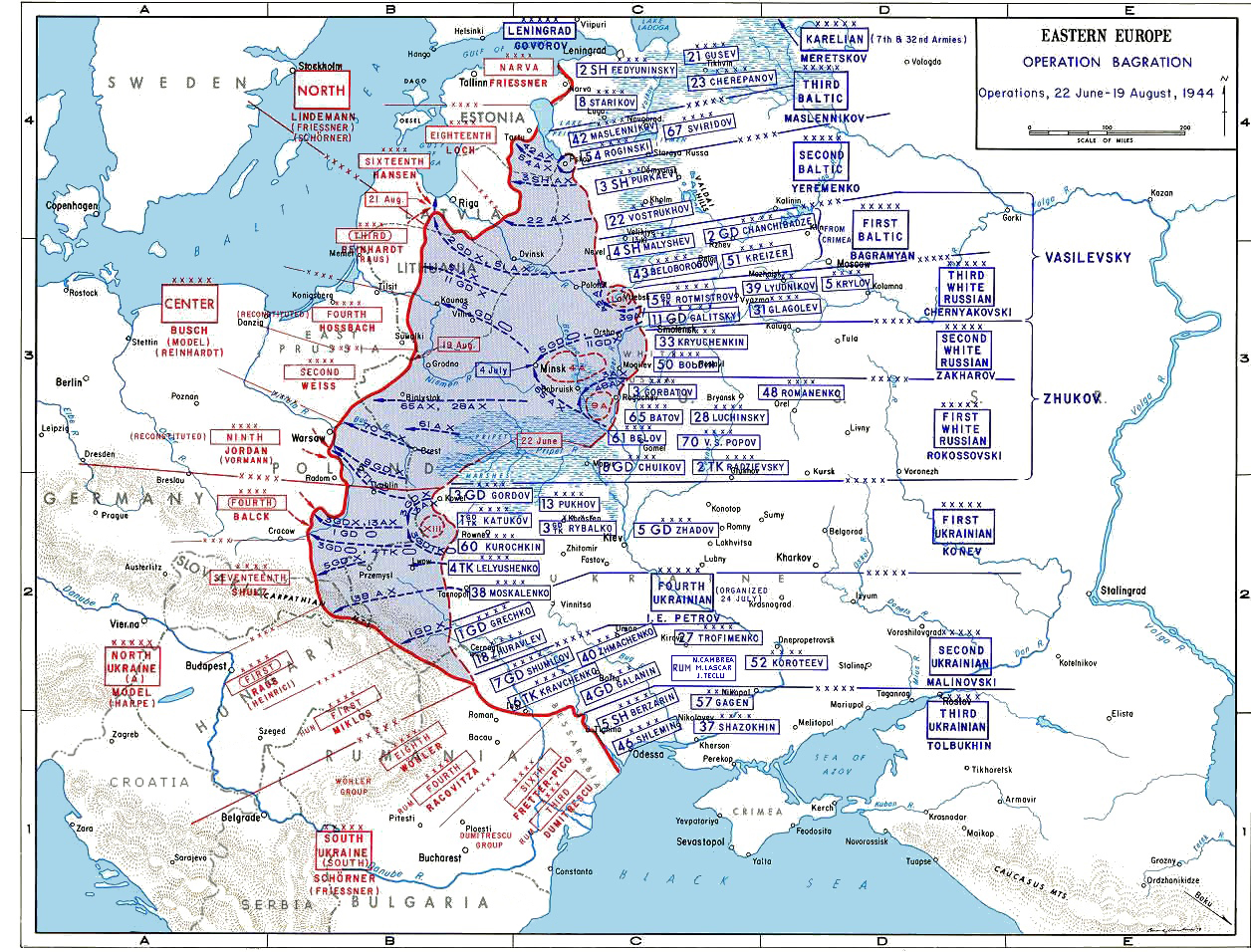
Map of deployments during Operation Bagration, June–August 1944
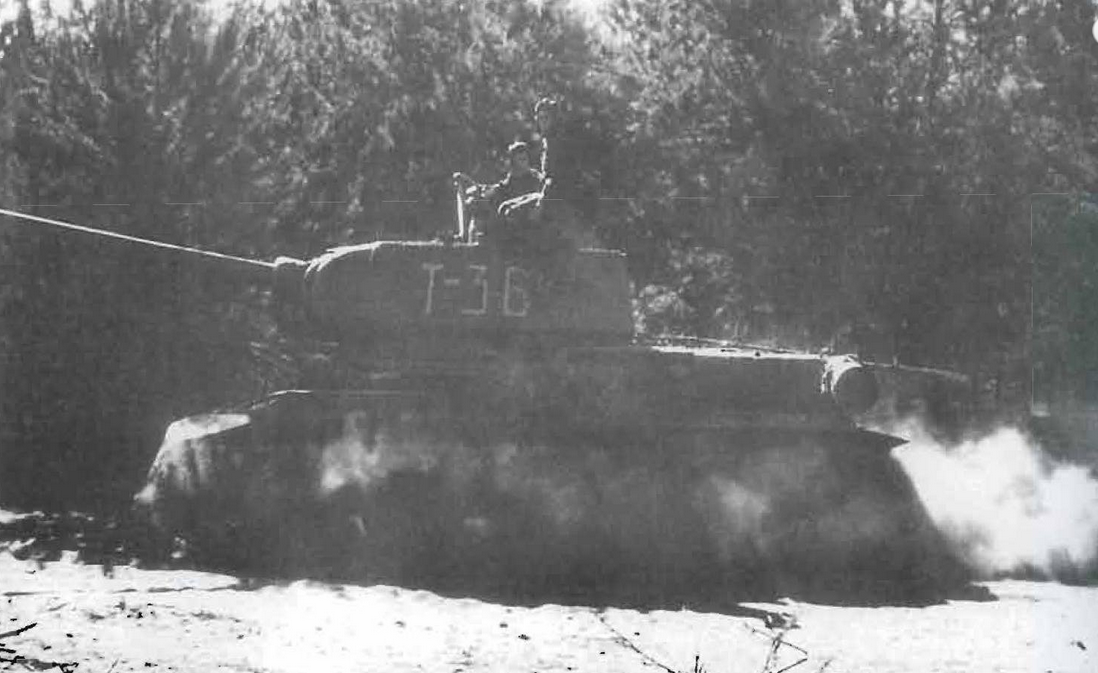
Carro T-34 del 1° Corpo corazzato della Guardia durante l'operazione Bagration

Soldiers of the 158th Rifle Division's 881st Rifle Regiment fighting in the area of the Vitebsk railway station

destructed buildings Pushkin Road Bobruisk (Belarus), autumn 1944

Surrender of Major-General Alfons Hitter and Lieutenant-General Friedrich Gollwitzer to Marshal of the Soviet Union Aleksandr Vasilevsky ans Field Marshal Ivan Chernyakhovsky after the battle of Vitebsk during Operation Bagration.

Soviet civilians, previously liberated from German concentration camps by the Red Army, return home. Photo has been taken near Vitebsk.
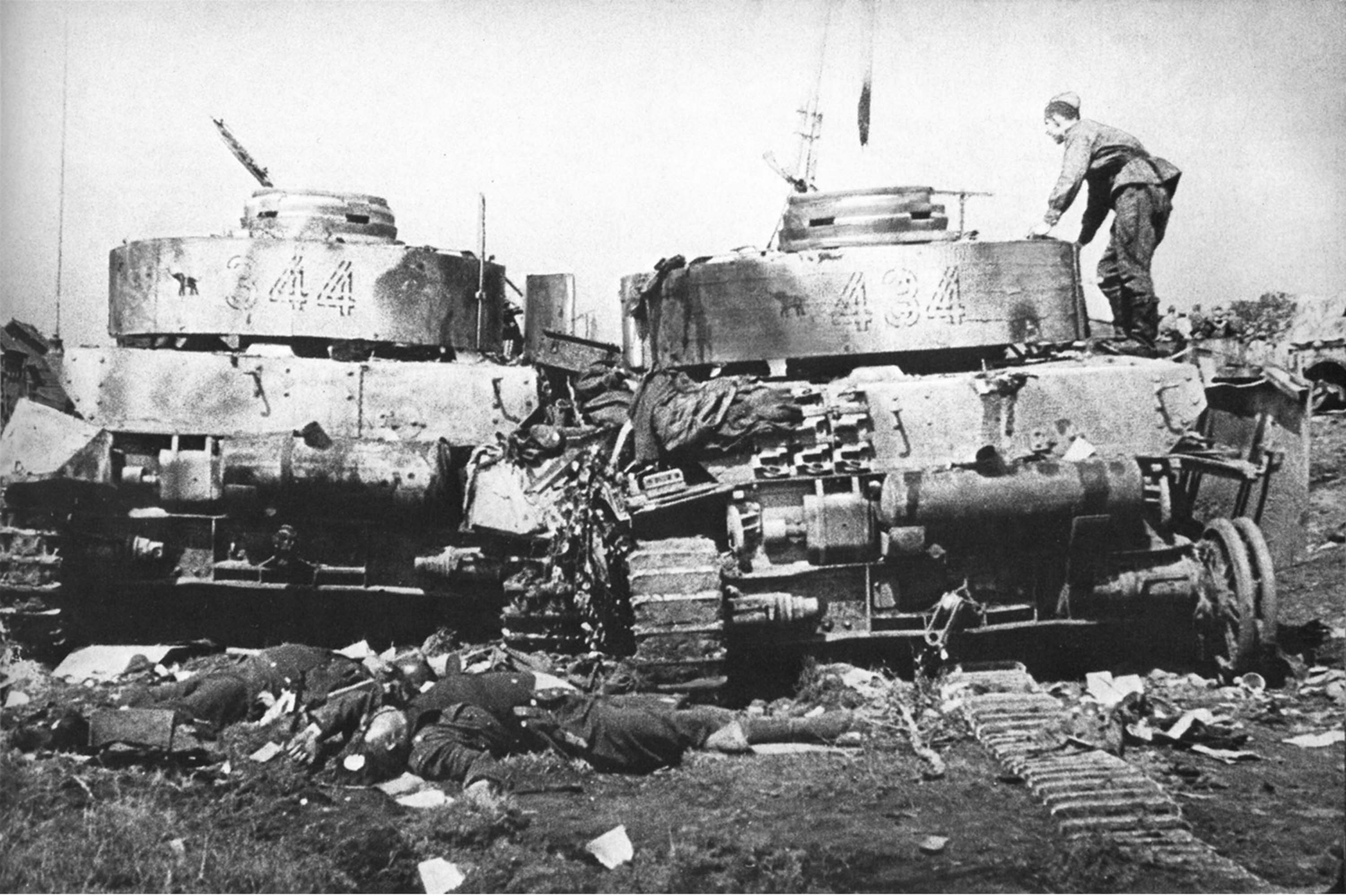
Two Destroyed Panzer IV belonging to the 20. Panzer Division, dead crew members, Soviet Soldiers at the pocket of Bobruisk
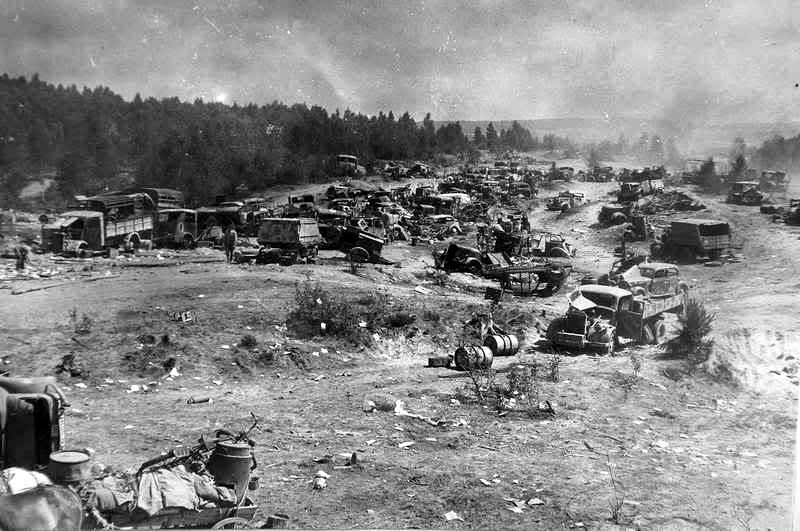
Abandoned and destroyed vehicles of the German 9th Army at a road near Titovka/Bobruysk (Belarus). The image is part of a foto series being made to document the war achievements of the the soviet 16th Air Army. (Central Archives of the Russian Ministry of Defence, F. 233, Op. 2356, d. 391, t. 1)

Abandoned and destroyed vehicles of the german 9th army at a road near Titovka/Bobruysk (Belarus). The image is part of a foto series being made to document the war achievements of the the soviet 16th Air Army. (Central Archives of the Russian Ministry of Defence, F. 233, Op. 2356, d. 391, t. 1)

Belarus, Red Army "Polotsk Operation", Destruction of german army group "center", After the near encirclement of the "fortified place" Polotsk, the remnants of the german I. Army Korps and elements of the german third tank army retreat to the area of the Baltic states.

The soviet marshal of armoured troops Pawel Rotmistrow giving commands to subordinate officers at Borissov (Belarus)

A column of German Wehrmacht soldiers in retreat through the Belarusian village of Lida. Soldiers from the ad-hoc Kampfgruppe 'Weidling.' Presumably on Kamenskaja Street in Lida. The picture, according to the reverse inscription, shows the field kitchen of the column and was taken on July 8, 1944. Backside of the photograph with inscription.

A column of German Wehrmacht soldiers in retreat through the Belarusian village of Lida. Soldiers from the ad-hoc Kampfgruppe 'Weidling.' Presumably on Kamenskaya street in Lida. The picture, according to the reverse inscription, shows the field kitchen of the column and was taken on July 8, 1944. Cropped, white balanced and sharpened without AI.

A column of German Wehrmacht soldiers in retreat through the Belarusian village of Lida. Soldiers from the ad-hoc Kampfgruppe 'Weidling.' Presumably on Kamenskaja Street in Lida. The picture, according to the reverse inscription, shows the field kitchen of the column and was taken on July 8, 1944.

Battle of Vilnius. Soviet and Polish Armija Krajowa Soldiers patrolling along the Large Street. The orthodox church of Vilnius is visible in background.

Einrichtung der Stadtkommandantur Grodno durch sowjetische Soldaten in einem Krankenhaus

Sowjetische Soldaten der 1. Baltischen Front während eines Angriffs in der lettischen Stadt Jelgava (dt. Mitau, rus. Mitawa)

The colours of the 1st Belorussian Front, a Soviet army group of the Second World War, in the Russian Military Museum in Moskow
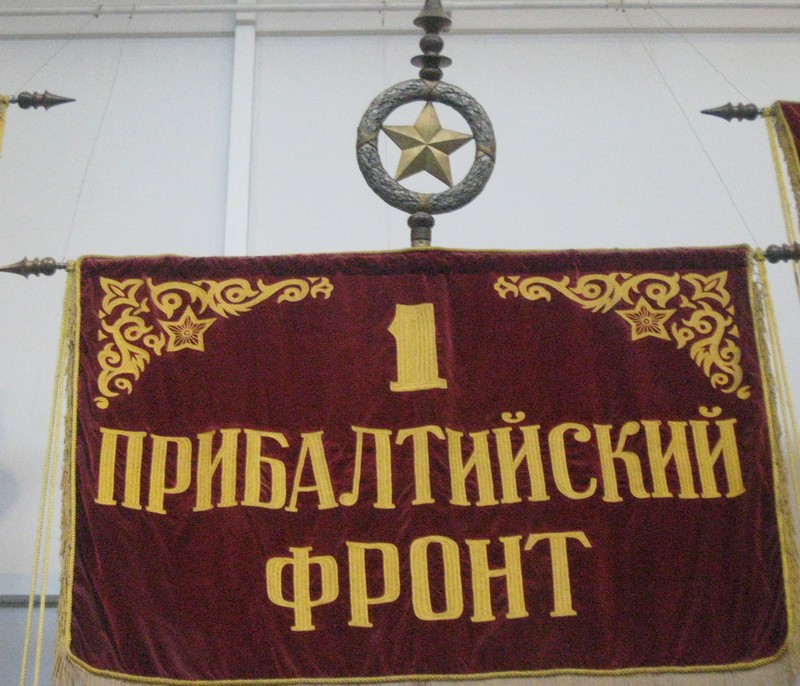
Regimental colours of the 1st Baltic Front

2-ой Белорусский фронт. Могилёвское направление. Бойцы роты капитана А. Гончарова форсируют водный рубеж
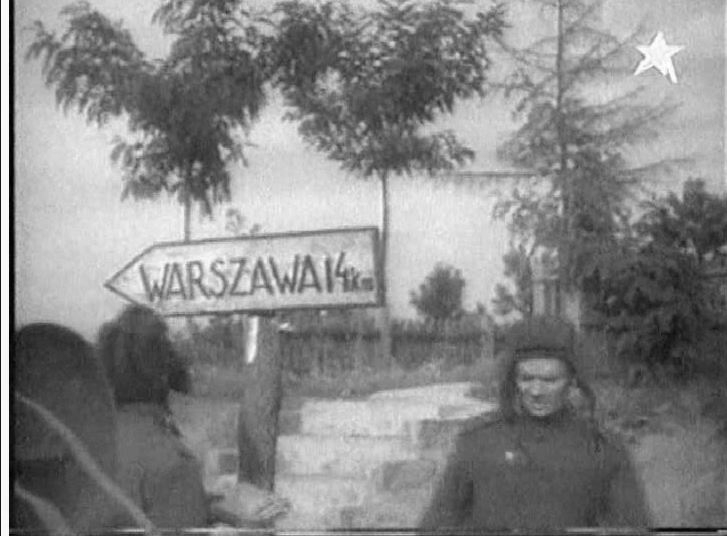
Carristi sovietici a 14 chilometri da Varsavia nell'estate 1944
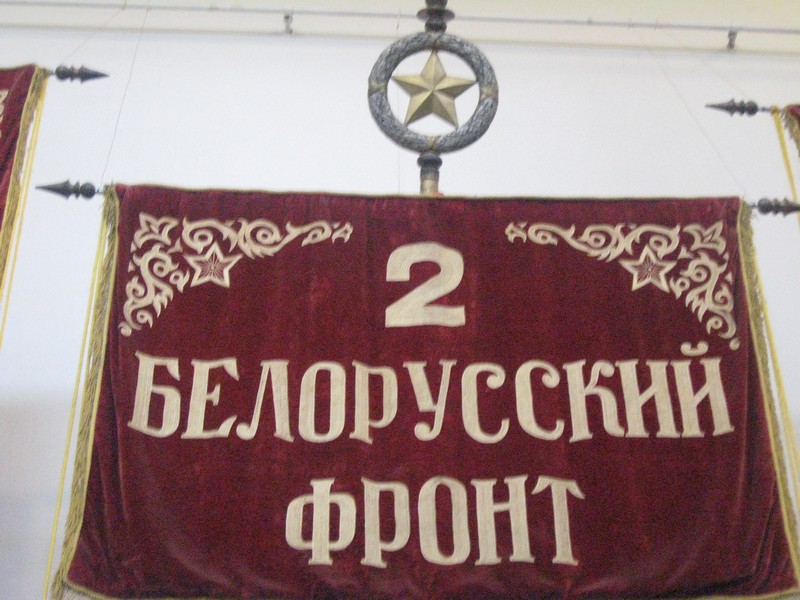
Colours of the 2nd Belorussian Front

Carri T-34/85 del 3° Corpo carri durante l'offensiva Lublino-Brest

Soviet tank of the 3rd Guards Tank Corps in the Operation Bagration (1944)

Soldati tedeschi della IV Armata in ritirata durante l'operazione Bagration

Troops of the Soviet 49th Army fighting in the streets of Mogilev
Historical Overview
Operation Bagration was the codename for the 1944 Soviet Byelorussian strategic offensive operation, a military campaign fought between 22 June and 19 August 1944 in Soviet Byelorussia in the Eastern Front of World War II, just over two weeks after the start of Operation Overlord in the west. It was during this operation that Nazi Germany was forced to fight simultaneously on two major fronts for the first time since the war began. The Soviet Union destroyed 28 of the divisions of Army Group Centre and completely shattered the German front line. The overall engagement is the largest defeat in German military history, with around 450,000 German casualties, while setting the stage for the subsequent isolation of 300,000 German soldiers in the Courland Pocket.
Quick Facts
Red Army
- Commander: Georgi Schukow
- Strength: 1670000
- Casualties: 180000
German Army
- Commander: Ernst Busch
- Strength: 850000
- Casualties: 400000
Strategic Context
Complete German retreat.
Related Literature


Der Gulag

Die Schlacht um Berlin und das Ende des Dritten Reichs 1945

Hunde, wollt ihr ewig leben: ein Stalingrad-Roman

Roter Hunger: Stalins Krieg gegen die Ukraine

So weit die Füße tragen

Söldner ohne Sold: Die deutschen Freikorps 1918–1923

Vom Massensturm zur Stoßtrupptaktik: Die deutsche Landkriegtaktik im Spiegel von Dienstvorschriften und Publizistik 1906 bis 1918

Wir Wehr-Wölfe: Erinnerungen eines Freikorps-Führers

Zweiter Weltkrieg Erlebnisbericht Apokalypse Stalingrad: Untergang der 6. Armee 1942-1943
Walter Mönch
Rise And Fall Of The Third Reich
William Shirer
Historical Locations
Interactive map requires third-party cookie consent.