Dreißigjähriger Krieg

Sack of Magdeburg
Matt Christman has a new podcast, Hell on Earth, about the Thirty Years War (the apocalyptical cross-Europe conflict from 1618 to 1648) and how it birthed the modern world—and he returns to the Talk Gnosis to discuss the role of the Rosicrucian legends and conspiracy theories played in the War. Tune in to hear about the court of the Winter King, mythical conspiracies versus real conspiracies, how the 17th Century changed religion, why we need utopian visions, and digressions ranging from UFO cults to living the story. The opinions expressed in this show do not necessarily reflect those of the Gnostic Wisdom Network, the Apostolic Johannite Church, or any other organization. The Apostolic Johannite Church is an esoteric, Gnostic, Christian community. Many of us seek a real spiritual community which is loving, inclusive, spiritually lively and empowering of people of all genders, races and sexualities, both rich and poor. The Johannite tradition represents just such a community: founded by Saint John the beloved disciple of Jesus, rooted in the tradition of John the Baptist and guided by direct, experiential contact with the Divine, this tradition encourages personal responsibility and freedom of thought and practice. Learn more at http://johannite.org

Illustration by Johann Nepomuk Schönberg (1844-1913) for "The Lion of the North : a tale of the times of Gustavus Adolphus and the wars of religion" (1886) by G. A. Henty

Illustration by Johann Nepomuk Schönberg (1844-1913) for "The Lion of the North : a tale of the times of Gustavus Adolphus and the wars of religion" (1886) by G. A. Henty

Illustration by Johann Nepomuk Schönberg (1844-1913) for "The Lion of the North : a tale of the times of Gustavus Adolphus and the wars of religion" (1886) by G. A. Henty

Illustration by Johann Nepomuk Schönberg (1844-1913) for "The Lion of the North : a tale of the times of Gustavus Adolphus and the wars of religion" (1886) by G. A. Henty

Illustration by Johann Nepomuk Schönberg (1844-1913) for "The Lion of the North : a tale of the times of Gustavus Adolphus and the wars of religion" (1886) by G. A. Henty

Illustration by Johann Nepomuk Schönberg (1844-1913) for "The Lion of the North : a tale of the times of Gustavus Adolphus and the wars of religion" (1886) by G. A. Henty
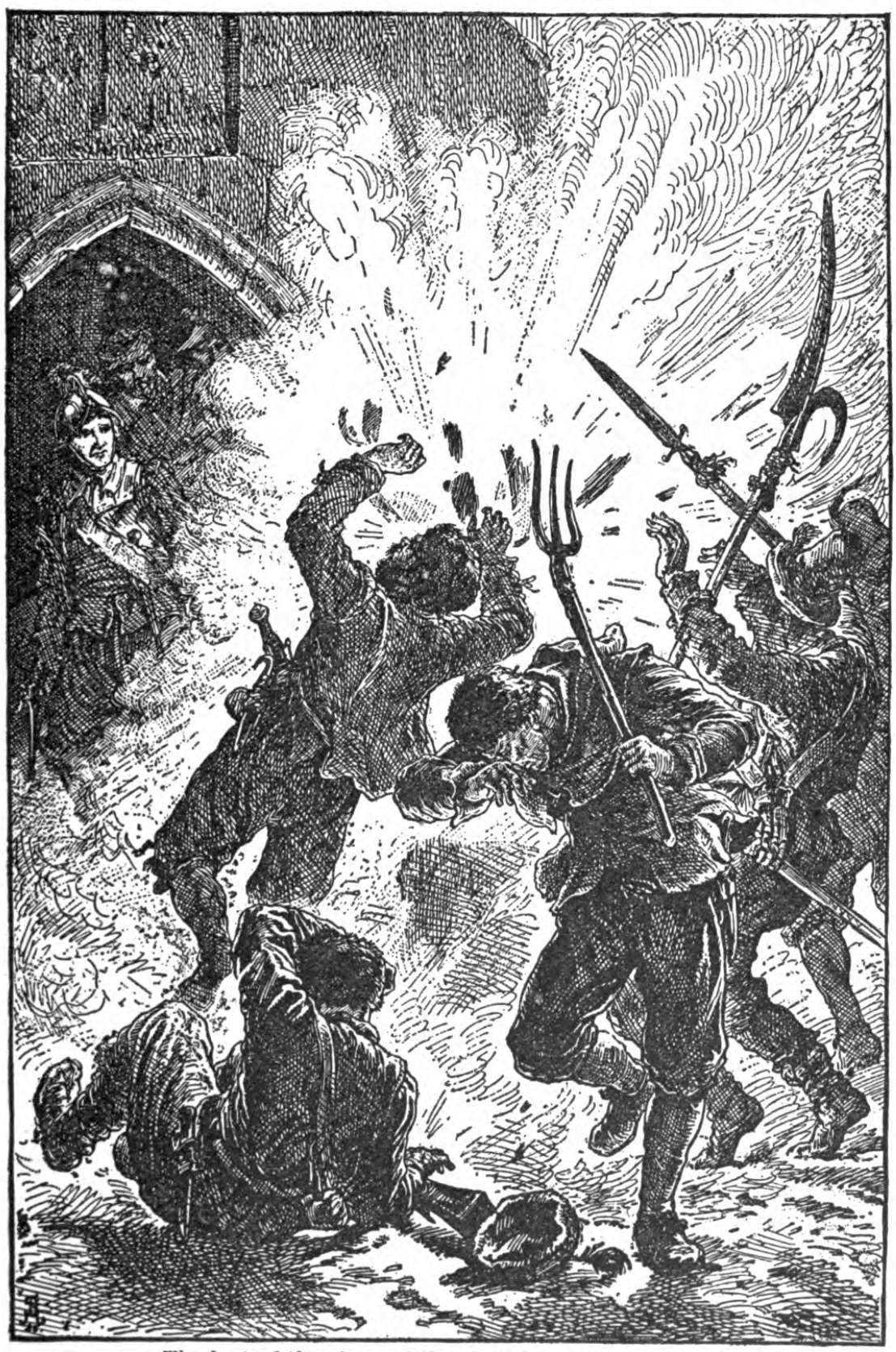
Illustration by Johann Nepomuk Schönberg (1844-1913) for "The Lion of the North : a tale of the times of Gustavus Adolphus and the wars of religion" (1886) by G. A. Henty

Illustration by Johann Nepomuk Schönberg (1844-1913) for "The Lion of the North : a tale of the times of Gustavus Adolphus and the wars of religion" (1886) by G. A. Henty

Illustration by Johann Nepomuk Schönberg (1844-1913) for "The Lion of the North : a tale of the times of Gustavus Adolphus and the wars of religion" (1886) by G. A. Henty

Illustration by Johann Nepomuk Schönberg (1844-1913) for "The Lion of the North : a tale of the times of Gustavus Adolphus and the wars of religion" (1886) by G. A. Henty

Signature of Henri d’Orléans on a letter sent from Münster to the Count de Chavigny, dated 15 Jul 1645

Page225 Des Schwedenkönigs Gustav Adolfs Landung in Pommern am 24. Juni 1630

Hinweistafel über den 30-jährigen Krieg im Alten Friedhof, Biberach, Heilbronn.

El Cardenal-Infante en el Albuch, batalla de Nördlingen.

Óleo de la batalla de Nördlingen en 1634, por Peter Snayers (1634).

Óleo de la batalla de Nördlingen en 1634, de Peter Snayers (1650)

Óleo de la batalla de Nördlingen en 1634, de Peter Snayers (1650).

Óleo de la batalla de Nördlingen en 1634, de Peter Snayers (1650).

Óleo de la batalla de Nördlingen desde el Albuch, donde se ve al Cardenal-Infante. La batalla fue una de las más importantes de la guerra, sirviendo de punto de inflexión y definiendo la siguiente fase (la franco-sueca).

Dannebrog over Scottish flag; top right; horizontal size ratio 6:25. w:en:Siege of Stralsund (1628) and others. To illustrate the compromise battle flag used by Scottish troops serving the King of Denmark in the 1620s; mainly based on the memoirs of General w:en:Robert Monro.
Belägringen av Benfeld och Deutz

Belägringen av Deutz
Anoniem (tekst), Pieter vanden Keere (gravure) (1620) Beschrivinge der 3 legers te weten pr. Mavri. marq. Spino. ende der vnierde vorst. [nieuwsprent], Amstelredam: Pieter vanden Keere.

Braunschweig 1632: Schwedenkönig Gustav II. Adolf bestätigt die Rechte und Freiheiten der Stadt Braunschweig.
Historische Übersicht
Der Dreißigjährige Krieg von 1618 bis 1648 war ein Konflikt um die Hegemonie im Heiligen Römischen Reich und in Europa, der als Religionskrieg begann und als Territorialkrieg endete. In ihm entluden sich auf europäischer Ebene der habsburgisch-französische Gegensatz und auf Reichsebene die Spannungen zwischen dem Kaiser und der Katholischen Liga einerseits und der Protestantischen Union andererseits. Gemeinsam mit ihren jeweiligen Verbündeten trugen die habsburgischen Mächte Österreich und Spanien neben ihren territorialen auch ihre dynastischen Interessenkonflikte mit Frankreich, den Niederlanden, Dänemark und Schweden aus. Infolgedessen verbanden sich eine Reihe weiterer Konflikte mit dem Dreißigjährigen Krieg:der Achtzigjährige Krieg (1568–1648) zwischen den Niederlanden und Spanien, die Bündner Wirren (1620–1631) zwischen den Koalitionen Frankreich-Venedig und Spanien-Österreich um Graubünden, der Oberösterreichische Bauernkrieg (1626) der Mantuanische Erbfolgekrieg (1628–1631) zwischen Frankreich und Habsburg der Französisch-Spanische Krieg (1635–1659) und der Torstenssonkrieg (1643–1645) um die Vorherrschaft im Ostseeraum zwischen Schweden und Dänemark.