Schlacht an der Beresina
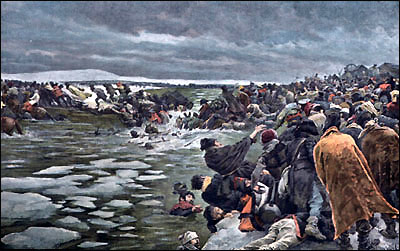
De gruwelijke scenes op de bruggen over de Berezina in 1812. Contemporain aquarel. (1812) Zie: File:Passage de Berezina Fournier.jpg

12th Infantry Regiment of Duchy of Warsaw during the Battle of Berezina in 1812.

Portrait of Barbara Florentyna Chłapowska (1782-1848), wife of Jan Henryk Dąbrowski (1755-1818).

The Patriotic War of 1812 in Russia against Napoleon’s army

"Napoléon traversant la Bérézina" peint en 1866 par January Suchodolski

The Grande Armée Crossing the Berezina.label QS:Len,"The Grande Armée Crossing the Berezina."label QS:Lpl,"Przejście wojsk Napoleona przez Berezynę."

На правым беразе ракі Бярэзіны (Biarezina), 27 лістапада 1812

На правым беразе ракі Бярэзіны (Biarezina), 27 лістапада 1812

Бівак на правым беразе ракі Бярэзіны (Biarezina), 27 лістапада 1812

Бівак на правым беразе ракі Бярэзіны (Biarezina), 27 лістапада 1812
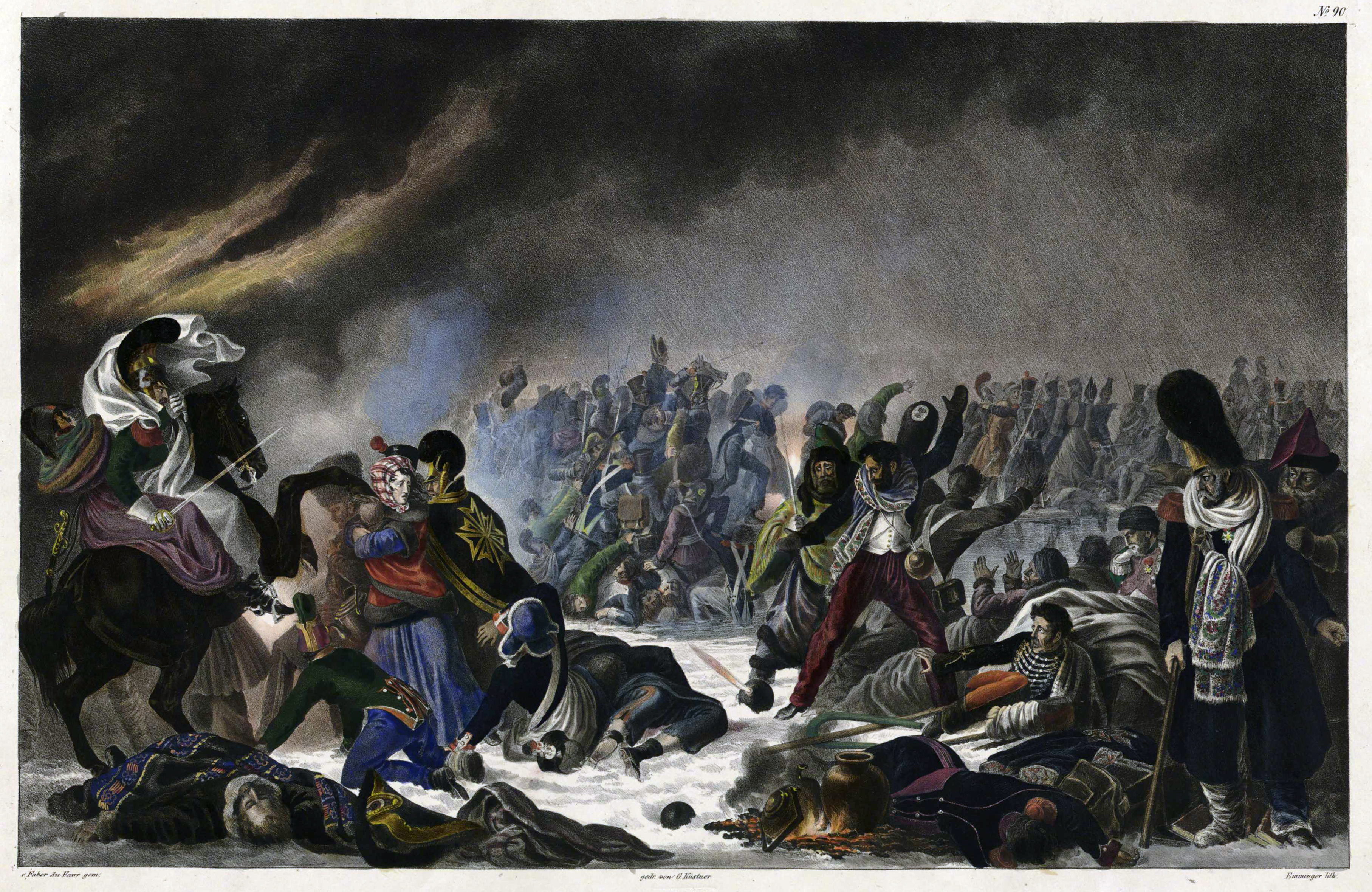
Пераход праз раку Бярэзіну (Biarezina), 28 лістапада 1812

Пераход праз раку Бярэзіну (Biarezina), 28 лістапада 1812

Пераправа цераз раку Бярэзіну (Biarezina)
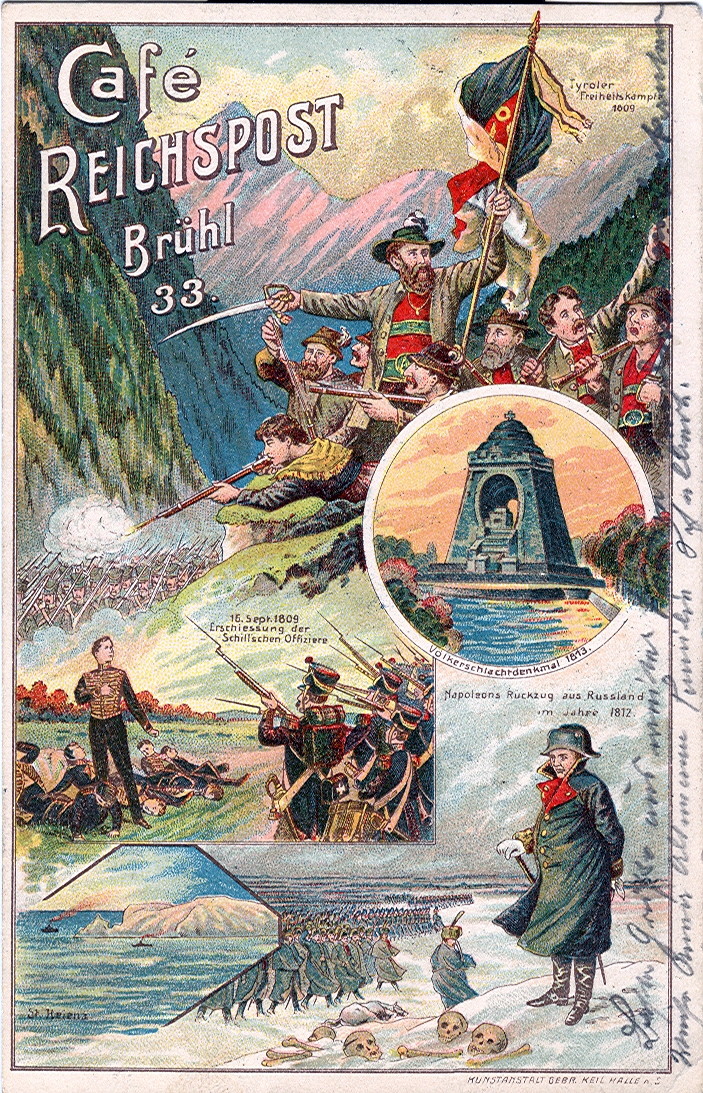
Postcard, dated 5.2.1917. Title: " Cafe Reichspost ( Imperial Post ) Brühl 33 - Tyrolian freedom fight 1809 - Monument of Völkerschlacht 1813 - 16th Sept. 1809 Execution of Schill´s officers - Napoleon´s retreat from Russia 1812 - Island of Saint Helena"
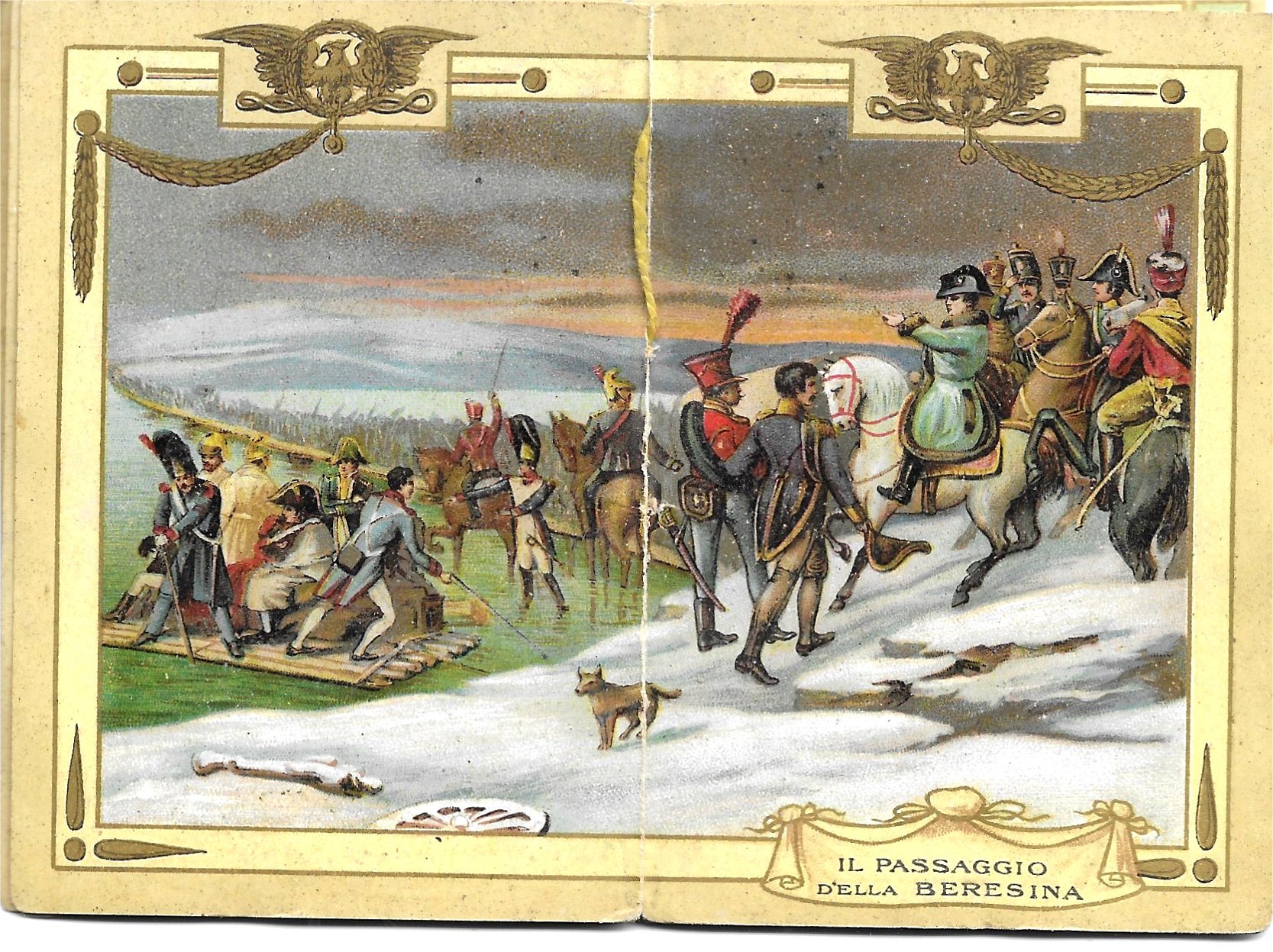
Calendario tascabile senza l'indicazione dell'anno - illustrato con scene e persoaggi dell'epopea napoleonica

Crossing the Berezina River on 17 (29) November 1812

Crossing the Berezina River on 17 (29) November 1812 oil on canvas 224x355 cm signed b.l.: Peter Hess / 1844

The crossing of Napoleon Bonaparte's army over the Berezina in 1812

Une des illustrations du tome 1 de l'ouvrage Dictionnaire populaire illustré d'histoire, de géographie, de biographie, de technologie, de mythologie, d'antiquités, des beaux-arts et de littérature, rédigé et édité par Edmond Alonnier & Joseph Décembre

Jan Hoynck van Papendrecht produced four school slides. The most famous and perhaps his most beautiful is the school chart about the retreat of the army of Napoleon Bonaparte in 1812 over the river Berezina, across the bridges built by the Dutch. The school plate shows, among other things, how accurately Jan Honck van Papendrecht depicted the flintlock rifle. We also see how the gun was used. The first man on the left is about to fire, the second drives the cartridge into the rifle with his ramrod, the officer takes a cartridge out of his bag and the soldier at the right rear of the cart bites off the cartridge. Translated with www.DeepL.com/Translator (free version)

Fording the Berezina River by January Suchodolski, ca. 1859

The French Army Crossing The Berezina on 28 November 1812. (watercolour painting of First Half of 19th Century by an anonymous artist, probably a witness or veteran).reference See Battle of Berezina. This painting was on display as part of the exhibition at the Musée de l’Armée in Paris, Napoléon et l’Europe, from 27 March 2013 to 14 July 2013.

issu du livre "la France militaire histoire des armées françaises..."

FRANÇOIS FOURNIER-SARLOVÈZE. Retreat of French army over Beresina river 26th November 1812
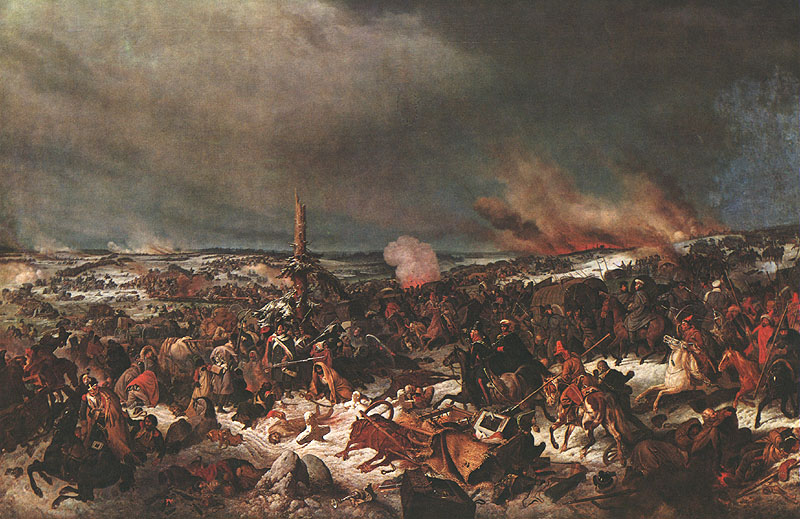
The remains of Napoleons 'Grande Armee' do battle with the armies of Russian Czar Alexander I, at the Berezina river. The French managed to cross the river, but incurred heavy casualties. It was the last battle of Napoleons failed attempt to invade the Russian Empire.
Historische Übersicht
Die Schlacht an der Beresina nennt man die Kämpfe beim Rückzug der Grande Armée Napoleons vor den Truppen des Zaren Alexander I. über die Beresina bei Borissow vom 26. bis 28. November 1812. Diese Schlacht war die letzte im Russlandfeldzug 1812 vor dem Rückzug der französischen Armee über die Memel am 14. Dezember 1812.
Fakten auf einen Blick
Grande Armée (FRA)
- Befehlshaber: Napoleon Bonaparte
- Truppenstärke: ca. 30.000 (effektiv)
- Verluste: ca. 25.000
Zarentum Russland
- Befehlshaber: Tschitschagow / Wittgenstein
- Truppenstärke: ca. 65.000
- Verluste: ca. 15.000
Strategischer Kontext
Letzter Versuch, der totalen russischen Einkesselung zu entkommen.
Weiterführende Literatur

Trafalgar: Great Battles and Sieges

Historische Orte
Die interaktive Karte erfordert die Zustimmung zu Drittanbieter-Cookies.