Belagerung von Lachisch

Siege of Lachish (701 BCE)
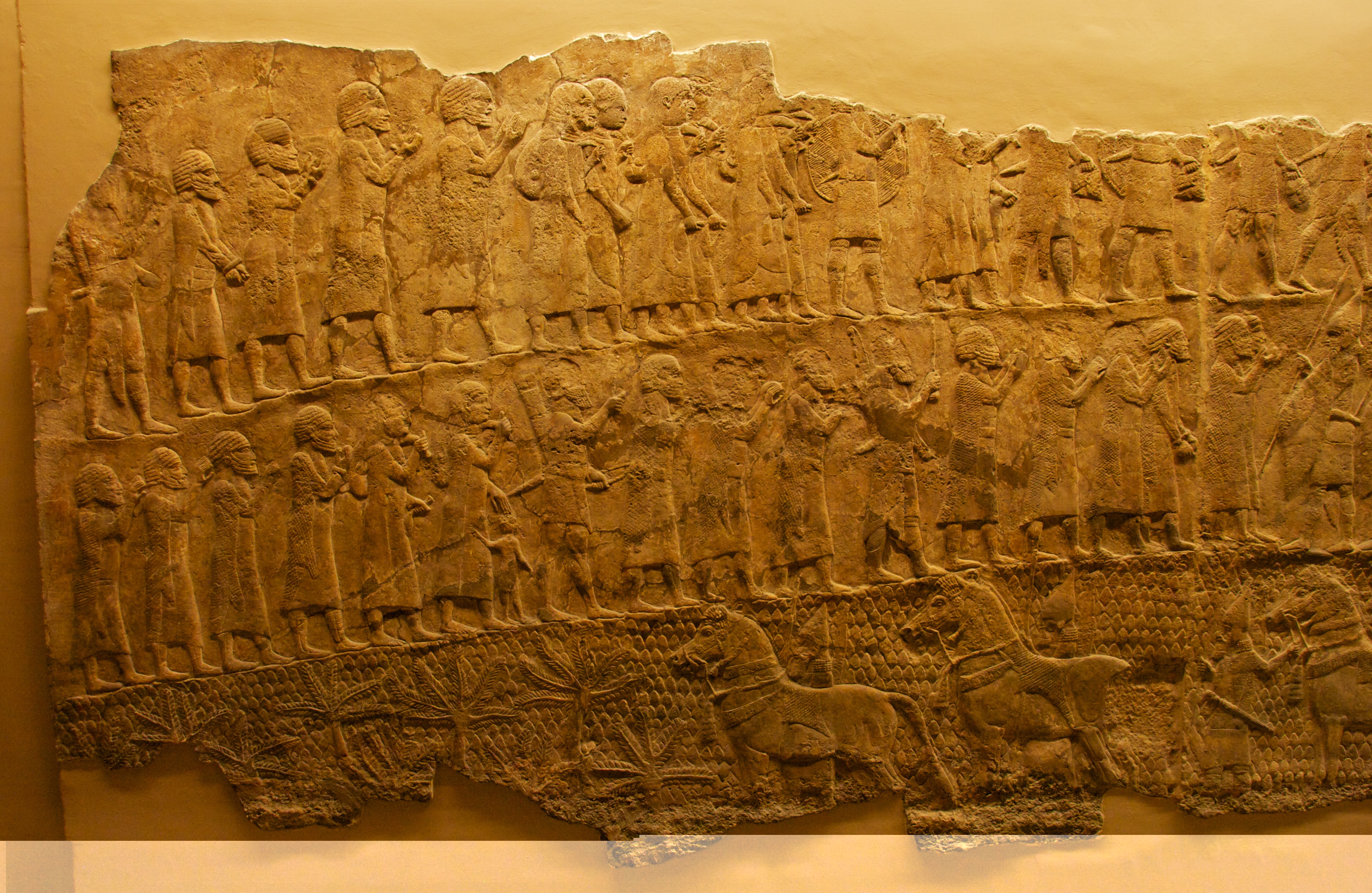
Lachish Relief, British Museum
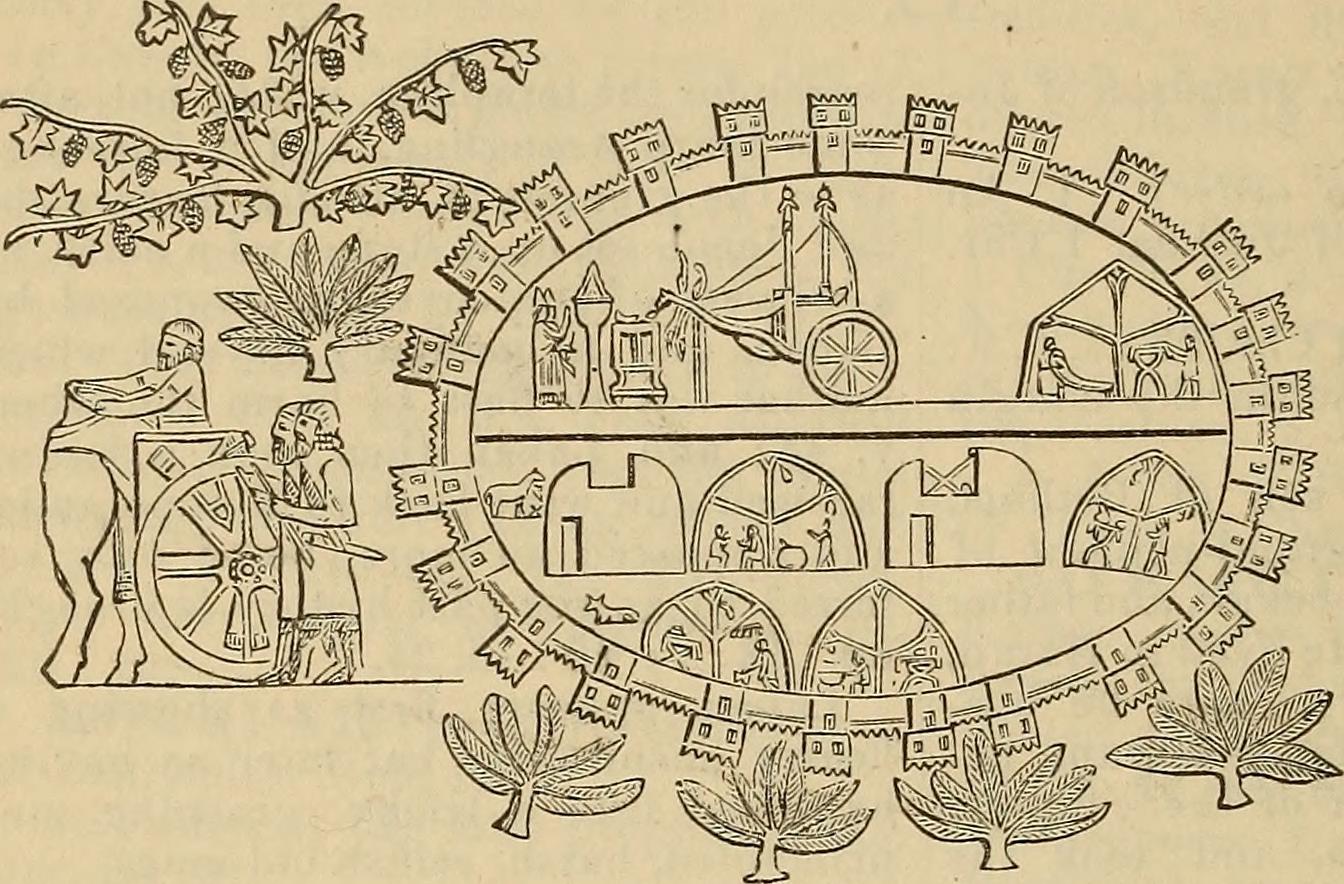
Plan of Lachish. (from the monuments. After Layard.) Identifier: dictionaryofbibl01scha (find matches) Title: A dictionary of the Bible.. Year: 1887 (1880s) Authors: Schaff, Philip, 1819-1893 Subjects: Publisher: (n. p.) Contributing Library: The Library of Congress Digitizing Sponsor: The Library of Congress View Book Page: Book Viewer About This Book: Catalog Entry View All Images: All Images From Book Click here to view book online to see this illustration in context in a browseable online version of this book. Text Appearing Before Image: . LACHISHOH^W&^aeityoftheAmorites, lying south of Jerusalem, andtoward the border of Simeon. Josh. 10 :3. It was one of the Canaanitish citieswhich was subdued by Joshua and in-cluded in Judah ; fortified by Jeroboam.2 Chr. 11: 9. King Amaziah was killedthere. 2 Kgs. 14 : 19. Lachish was be-sieged by Sennacherib and perhapstaken. 2 Kgs. 18:13, 14; Isa. 36 : 1, 2.The siege is considered by some to be de-picted on the slabs found in one of thechambers of the palace at Kouyunjik.Layard reads the cuneiform inscriptionthus: Sennacherib, the mighty king,king of the country of Assyria, sittingon the throne of judgment before the cityof Lachish,—I give permission for itsslaughter. Compare 2 Chr. 32 :1; 2 Kgs.19 : 8 ; Jer. 34 : 7. It was a place ofgreat strength, favorably situated uponthe side of a hill. From Lachish had505 LAD LAM been introduced into Jerusalem the idol-atry of the ten tribes. Mic. 1: 13. La-chish was reoccupied after the Captiv-ity. Neh. 11: 30. It has been identified Text Appearing After Image: rian of Lachish. (From the monuments. After Layard.) with Um Lakis, but better with Tel el-»Hesy. JLAD. The Hebrew word is used fora new-born infant, Ex. 2:6; Jud. 13 : 5,7 : of a boy not full-grown, Gen. 21: 1 6 ;of a youth nearly twenty, Gen. 41 : 12,and perhaps older, Jud. 17 : 1 : emphati-cally to express tender age, Jer. 1:6;for a servant, Gen. 37 : 2; Jud. 7:10;of soldiers, 1 Kgs. 20 : 15; of a youngnation. Hos. 11 : 1. LAEL (of God), a Gershonite prince.Num. 3 : 24. LAHAD (ojypression), a descendantof Judah. 1 Chr. 4 : 2. LAHAIROI,See Beer-lahairoi. LAHMAM (pro-visions), a town ofJudah, Josh. 15:40;identified with el Lahm,2$ miles south of Beit,Jibrin. LAHMI (warrior),brother of Goliath. 1Chr. 20 : 5. LAISH (lion),father of Phaltiel, towhom Saul gave Mi-chal, Davids wife. 1Sam. 25:44; 2 Sam.3 :15. LAISH, or LESHEM. ). See Dan. 2. The Laisli Isa. 10 : 30 can hardly as Dan. The intro- mentioned inhave been the sam(duction in this connection of a place sodistant, and, moreover, u Note About Images Please note that these images are extracted from scanned page images that may have been digitally enhanced for readability - coloration and appearance of these illustrations may not perfectly resemble the original work.
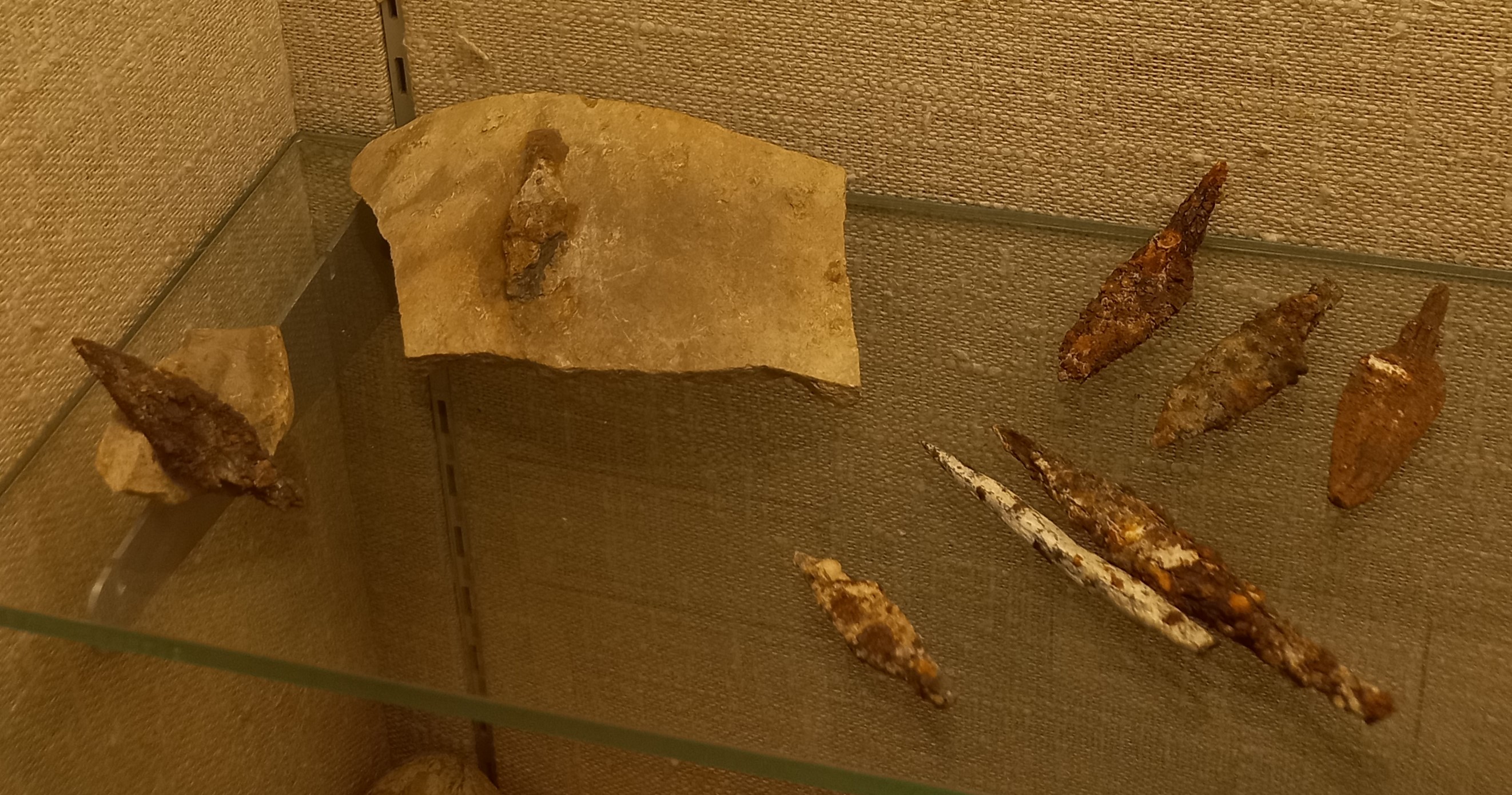
Iron arrowheads from the Assyrian army, found during the excavations of Lachish, witnesses of the capture of the city in 701 BC. One is loged in a stone, another one in a potsherd. British Museum. WA 132143, 132144, 132146.
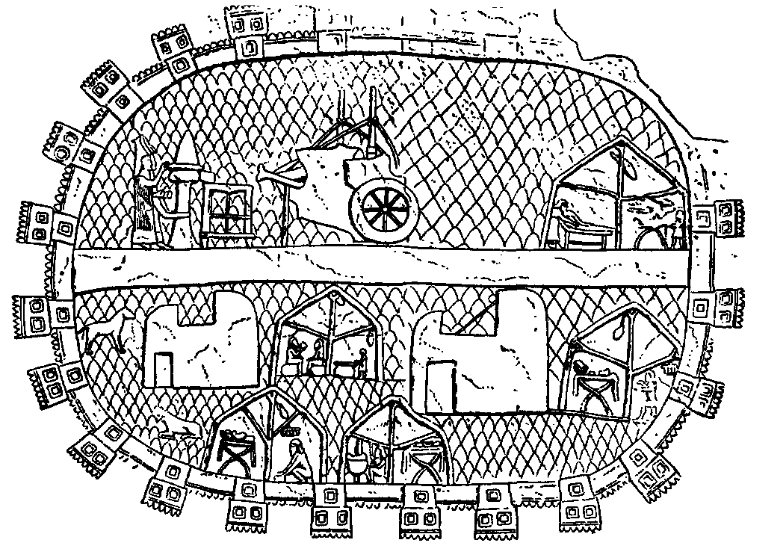
An illustration from the Encyclopaedia Biblica, a 1903 publication which is now in the public domain. Fig. 1 for article "Tent". Image of Assyrian camp at siege of Lachish, including Sennacherib's royal pavillion. Image copied from a depiction on an Assyrian monument now housed the British Museum.

Judean captives being led away into slavery by the Assyrians after the siege of Lachish in 701 B.C. This relief is important for the knowledge of Judean dress.

Clay prism, octagonal, annals of Sennacherib, 694 BC. Found in Nineveh. Record of Sennacherib's campaign, including the capture of Lachish and the siege of Jerusalem in 701 BC. British Museum WA 103000 https://www.britishmuseum.org/collection/object/W_1909-0313-1

Siege of Lachish, line drawing. Reproduction from an unidentified publication, possibly after J.L Starkey, of a depiction of the Siege of Lachish. Iconographic Collections

Jerusalem: A Medical Diagnosis Exhibition,Tower of David Entrance, The Old City of Jerusalem, Israel

Jerusalem: A Medical Diagnosis Exhibition,Tower of David Entrance, The Old City of Jerusalem, Israel
Historische Übersicht
Die technologisch fortschrittliche Eroberung der judäischen Festung durch Sanherib. Einsatz von massiven Belagerungsrampen und Rammböcken.
Fakten auf einen Blick
Neuassyrisches Reich
- Befehlshaber: Sanherib
- Truppenstärke: ca. 25.000 Belagerungstruppen
- Verluste: Moderat
Königreich Juda
- Befehlshaber: Hiskia (indirekt)
- Truppenstärke: ca. 5.000 Verteidiger
- Verluste: Extrem hoch (Massaker/Deportation)
Strategischer Kontext
Bestrafung des Königreichs Juda für die Verweigerung von Tributzahlungen und Sicherung der Flanke vor einem Marsch auf Ägypten.
Konflikt / Krieg
Neuassyrische Expansionskriege
Weiterführende Literatur

GOLDSWORTHY:ROMAN ARMY AT WAR 100BC-AD200

Auf dem Weg zum Imperium: Eine Geschichte der römischen Armee

Aufstieg und Fall des Alten Ägypten: Die Geschichte einer geheimnisvollen Zivilisation vom 5. Jahrtausend v. Chr. bis Kleopatra


Das alte Griechenland: Die visuelle Geschichte. Hochwertiger Bildband mit über 850 Fotos

Das frühe Persien: Geschichte eines antiken Weltreichs

Die verdammt blutige Geschichte der Antike: ohne den ganzen langweiligen Kram

Eine unerzählte Geschichte der Antike: Auf den Spuren vergessener Orte – von Britannia bis Vietnam

Feldherren, Krieger und Strategen: Krieg in der Antike von Achill bis Attila

Geschichte der römischen Kaiserzeit: Von Augustus bis zu Konstantin

Geschichte der römischen Republik: Von den Anfängen bis Augustus

Gladius: Roms Legionen in Germanien

Krise und Untergang der römischen Republik


Römische Geschichte: 5 Bände im Schuber

Römische Geschichte: Von den Anfängen bis zum Untergang

Über die Germanen: Tacitus – antike Geschichtsschreibung über die Bewohner Germaniens
Historische Orte
Die interaktive Karte erfordert die Zustimmung zu Drittanbieter-Cookies.